
Many small business websites get visitors — but few inquiries. That usually means one thing: the site is visible, but not persuasive in a clear and trustworthy way. Low conversion is rarely about “bad luck.” It is usually a structure problem.
1) The Message Is Not Clear Fast Enough
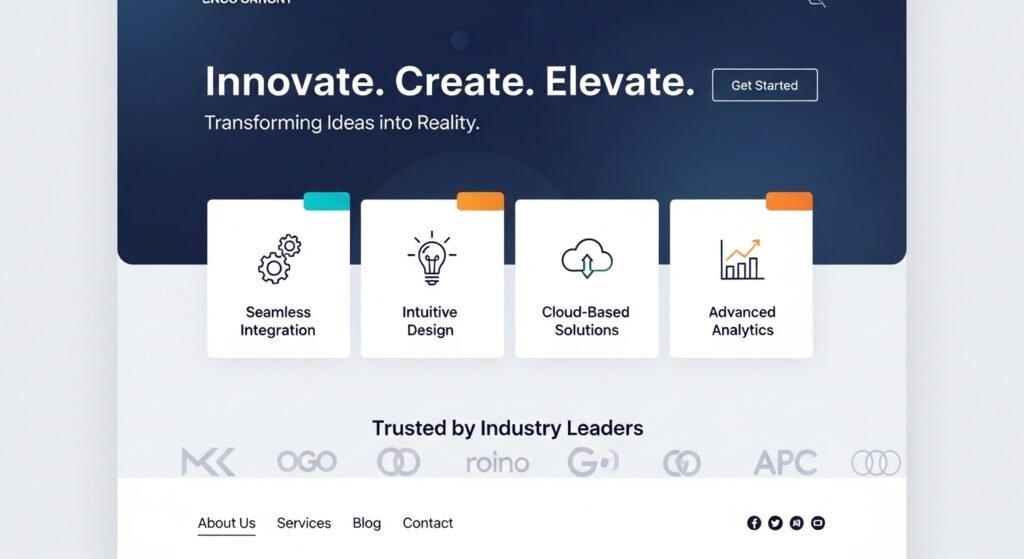
Most visitors decide quickly whether to stay or leave. If they cannot understand your business within a few seconds, they exit.
Your first screen should clearly answer:
- What do you do?
- Who do you help?
- What should I do next?
Without this clarity, traffic does not matter.
2) The Website Looks Fine but Feels Untrustworthy
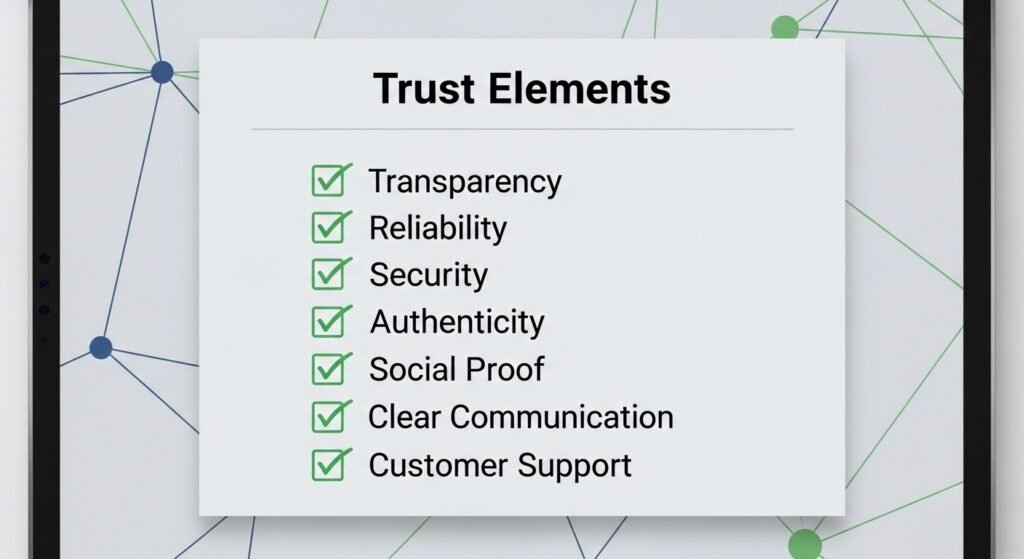
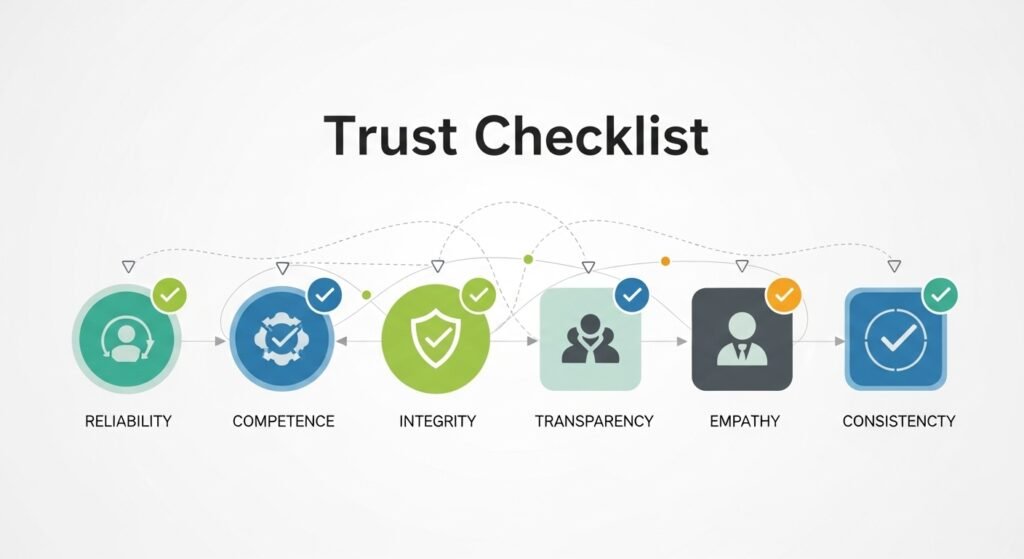
Design alone does not create trust. Visitors look for signs of reliability:
- clear service explanations
- realistic claims
- transparent process
- easy contact options
- consistent brand tone
If trust signals are missing, people hesitate.
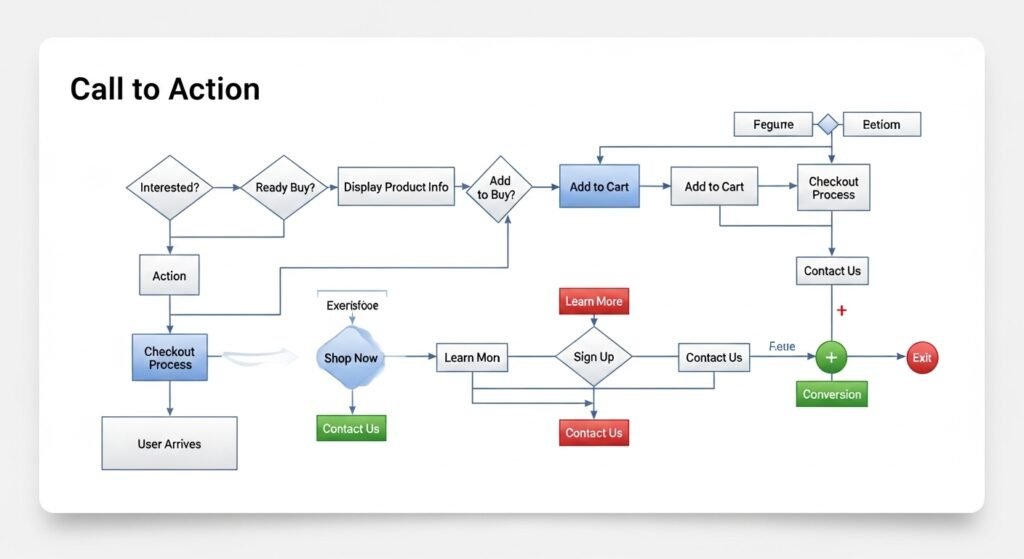
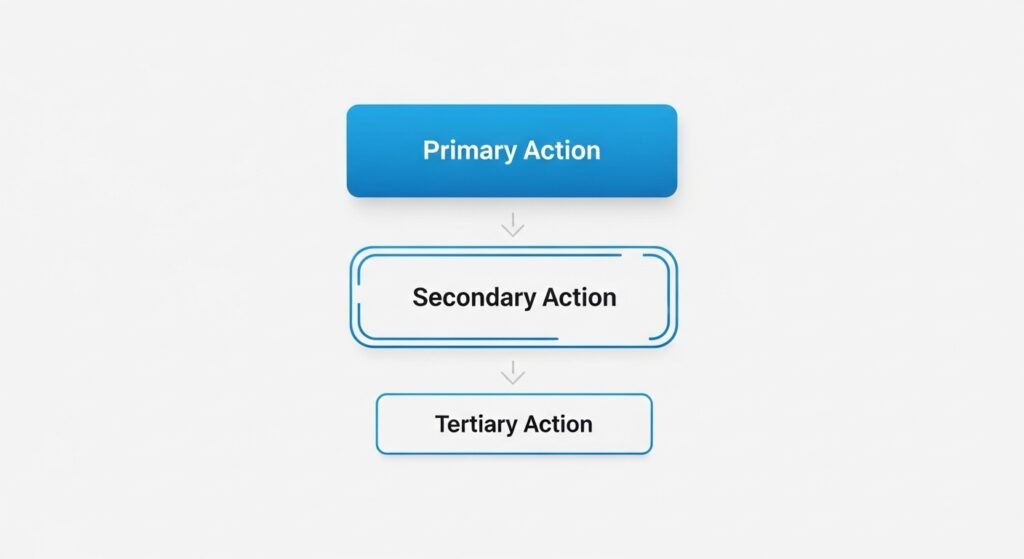
3) There Is No Clear CTA Path
Many sites either:
- have no clear call to action, or
- have too many competing calls to action
Both reduce conversion. A better approach:
- one primary next step per page
- simple button language
- visible placement without pressure
Example CTA language:
- Request a Consultation
- Start a Conversation
- View Services
Need help building a clear CTA structure? [Website Services → /services]
4) The Content Is About the Business, Not the Visitor
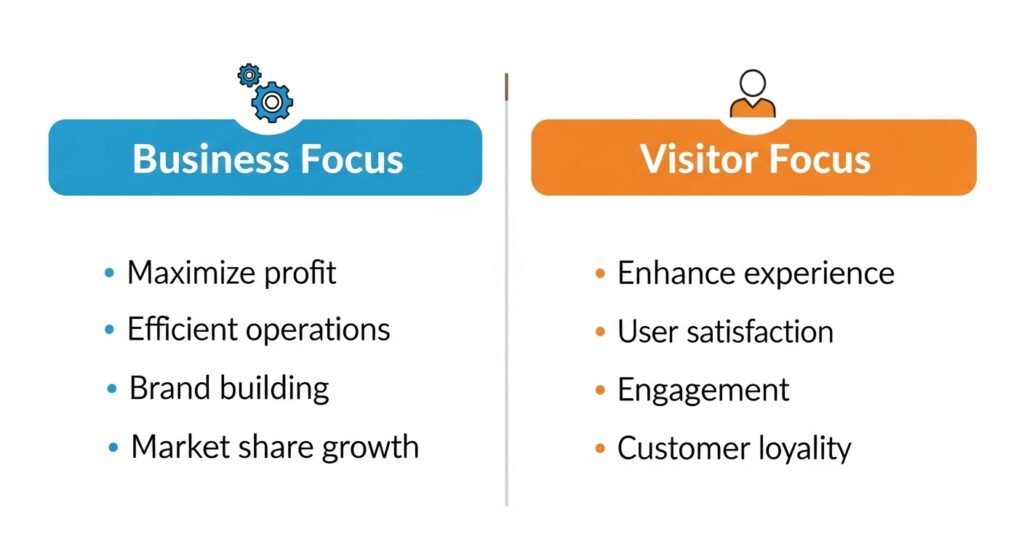
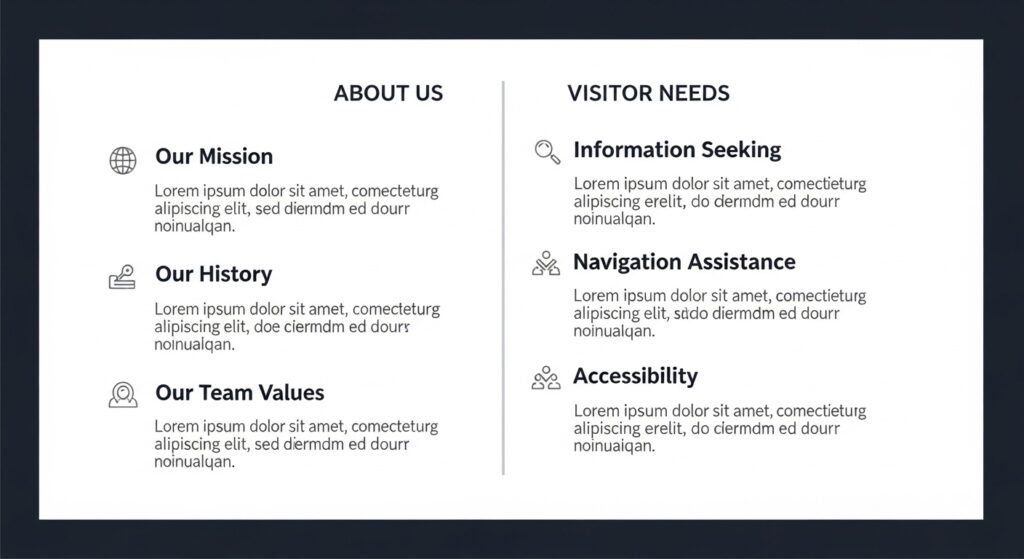
A common mistake is writing pages that only talk about:
- company history
- internal goals
- generic claims
Visitors need practical answers:
- Can you solve my issue?
- How does your process work?
- What happens after I contact you?
Conversion improves when content is visitor-centered.
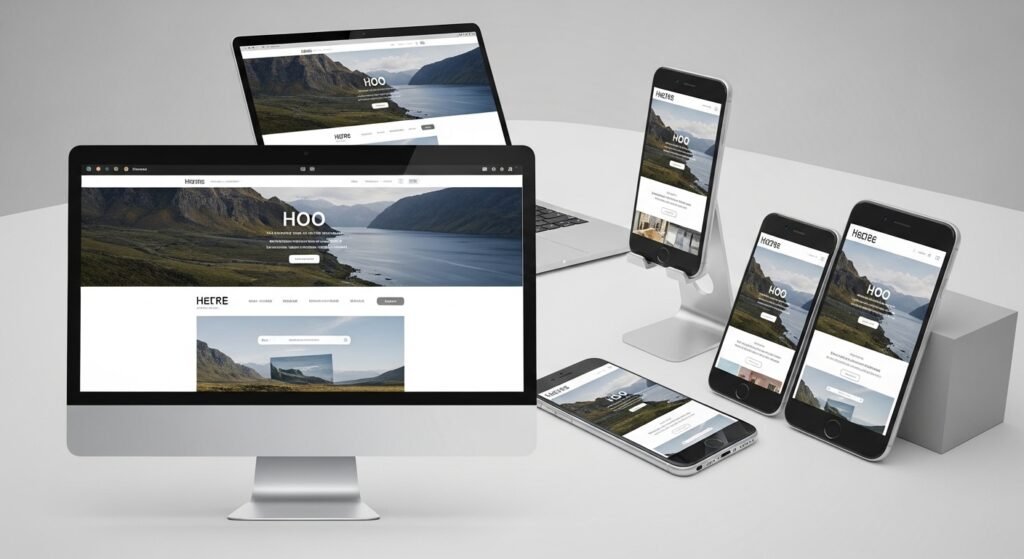
5) Mobile Experience Is Weak
Most people visit from phones. If mobile is hard to use:
- text feels cramped
- buttons are hard to tap
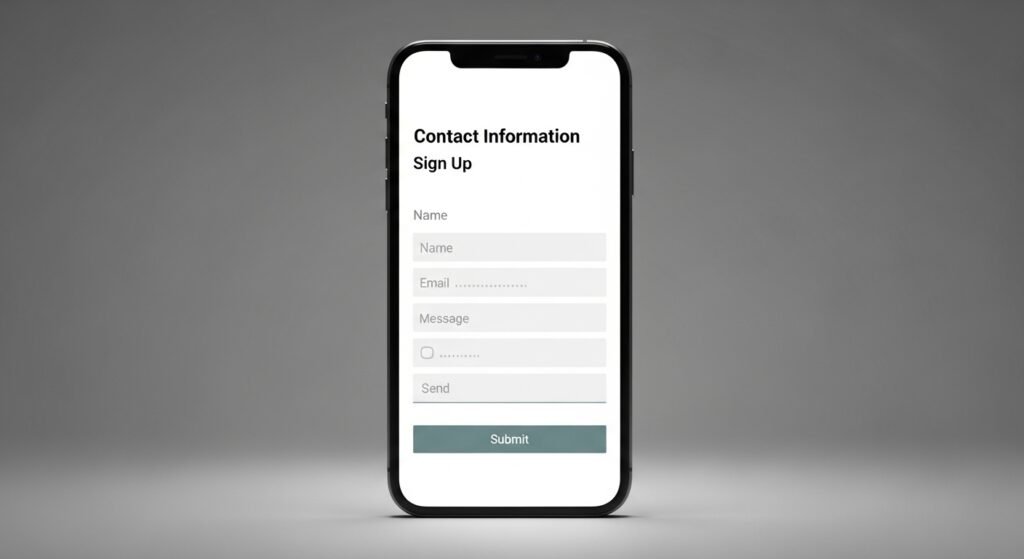
- forms are frustrating
Visitors leave before converting. A converting website must be:
- readable on small screens
- fast • easy to navigate
- easy to contact
6) The Site Is Slow or Technically Messy
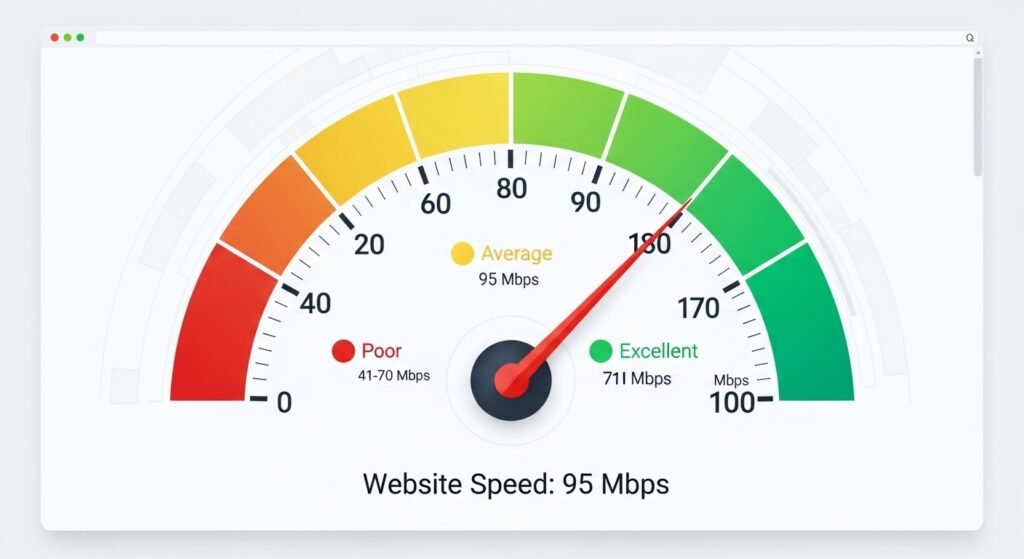
Even interested visitors lose patience with slow pages.
Common speed/conversion killers:
- heavy uncompressed images
- unnecessary scripts/plugins
- poor hosting setup
- broken links and form errors
Technical clarity supports business clarity.
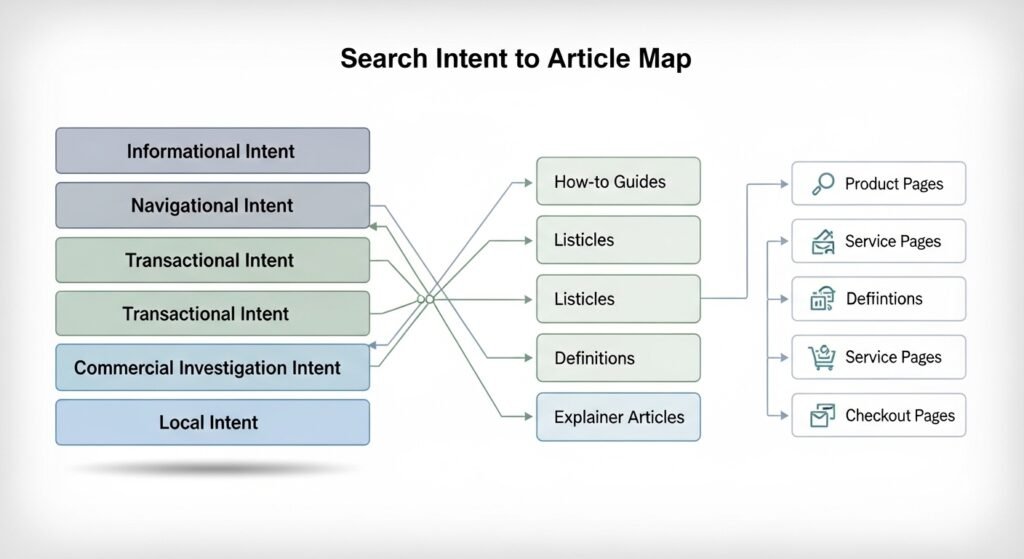
7) The Site Is Not Supported by Helpful Content
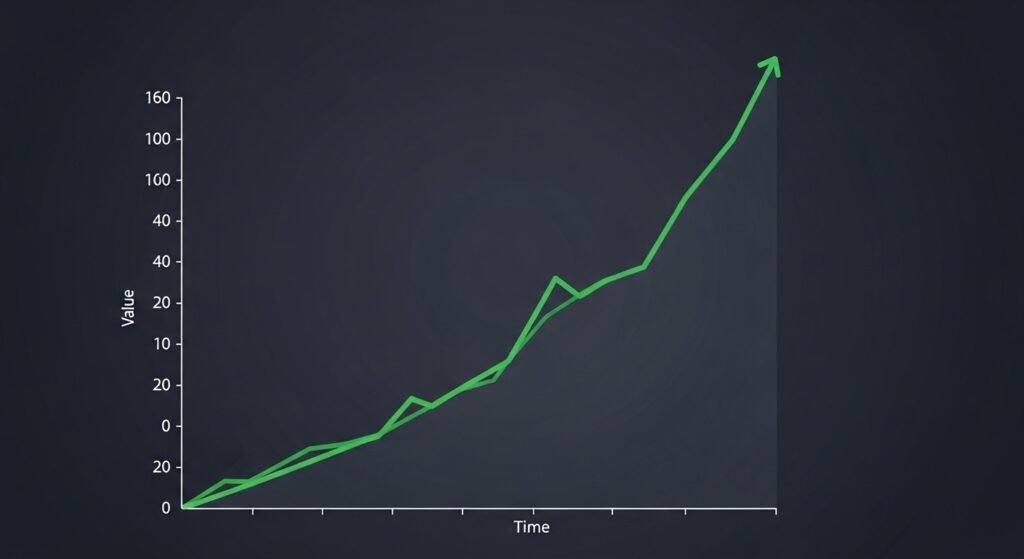
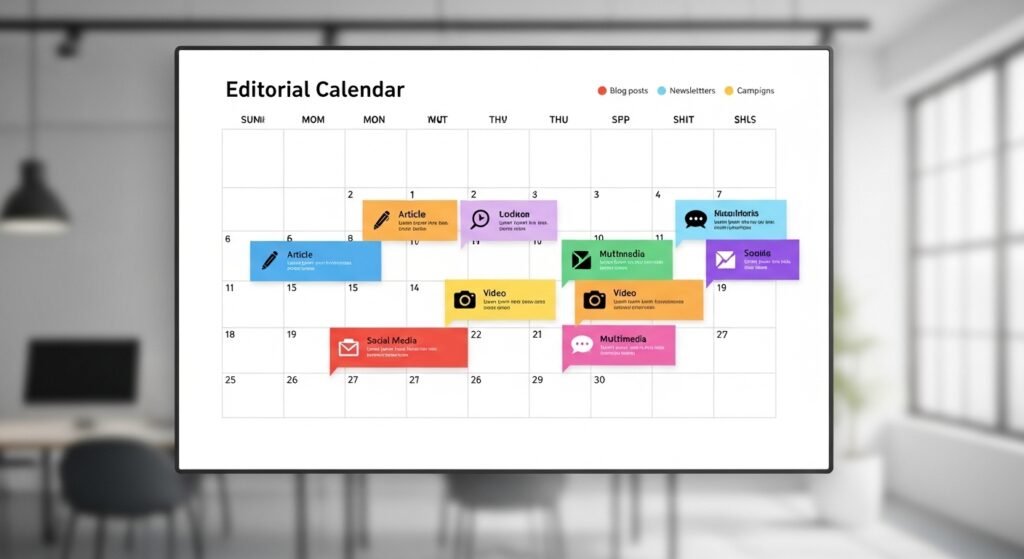
A service page alone is often not enough. Helpful articles build confidence and answer objections early.
Without ongoing useful content:
- search visibility stays low
- trust takes longer to build
- visitors leave with unanswered questions
A blog can improve conversion by preparing people before they contact you. 👉 Want your marketing practices reviewed and aligned? [Halal Index® → /halal-index]
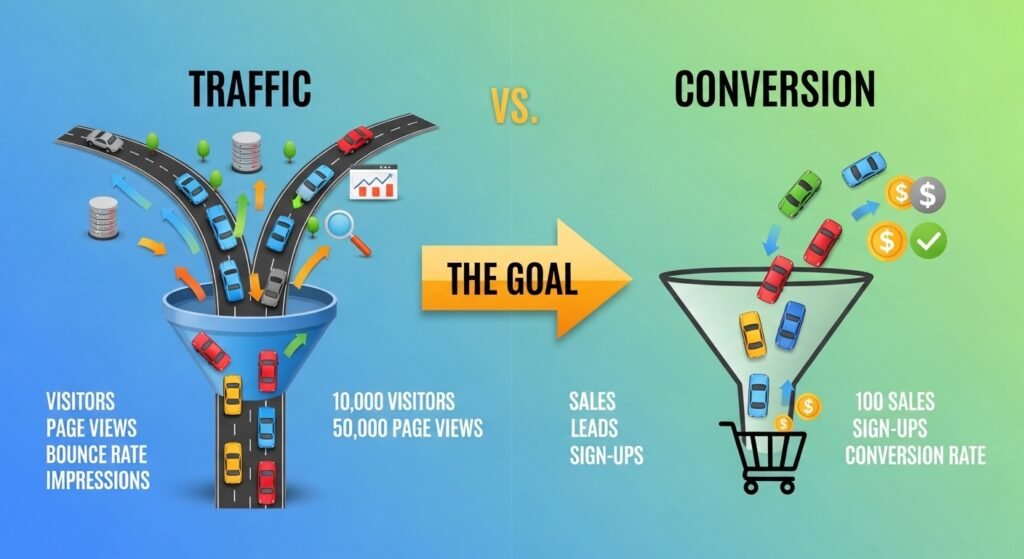
8) Conversion Problems Are Treated Like Traffic Problems
Many businesses try to fix low conversion by buying more traffic. But if the page is unclear, more traffic only increases bounce.
Fix order should be:
- message clarity
- trust signals
- CTA flow
- user experience
- then traffic scale
Ads should amplify a foundation, not replace one. Check if your marketing foundation is ethically sound: [Halal Index® → /halal-index]
Quick Conversion Improvement Checklist
Start here:
- Clear headline on homepage
- One primary CTA per page
- Trust elements visible
- Mobile-friendly layout
- Fast load speed
- Helpful FAQ/blog content
- Simple consultation path
Small structural fixes often create the biggest conversion improvements.
Final Thought
Most small business websites don’t convert because they are built to “look complete,” not to guide decisions.
A converting site is:
- clear
- trustworthy
- structured
- easy to act on
No pressure tactics required.
If your website gets traffic but not inquiries, we can help you identify and fix conversion gaps in a clear, ethical way.