
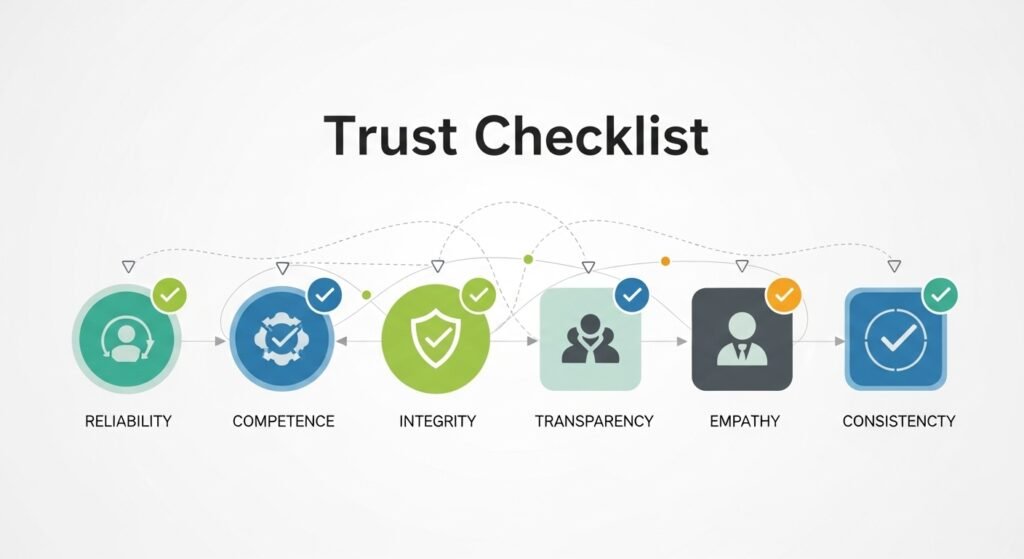
Most visitors decide quickly if they trust a website. Not in 30 minutes. Not after reading every page. Usually in the first few seconds. If trust is weak at the beginning, people leave — even if your service is excellent. The good news: trust can be built quickly with the right structure.
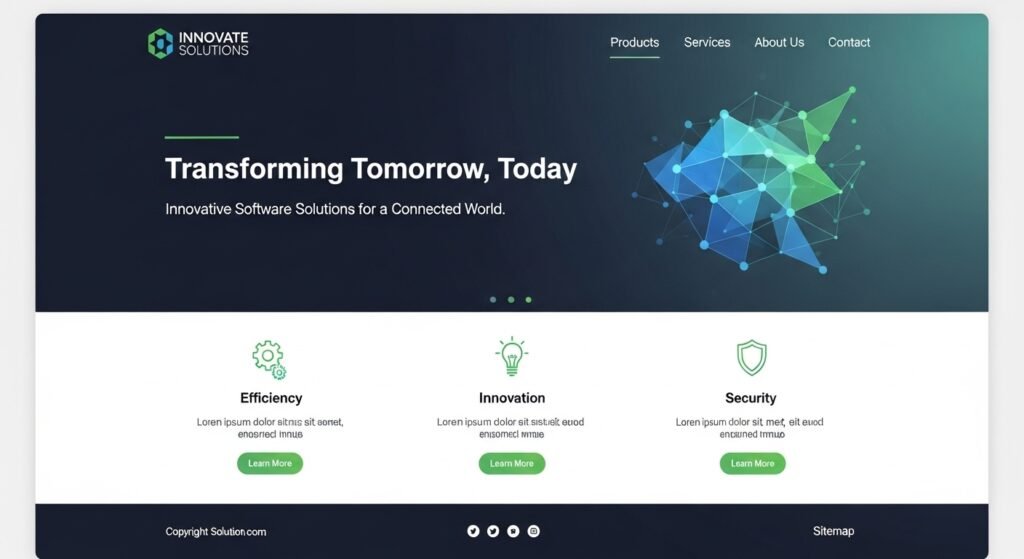
1) Start With a Clear First Message
Your first screen should instantly answer:
- What is this business?
- Who is it for?
- What do they do?
- What is the next step?
If the opening message is vague, trust drops immediately. A clear message feels honest. Confusion feels risky.
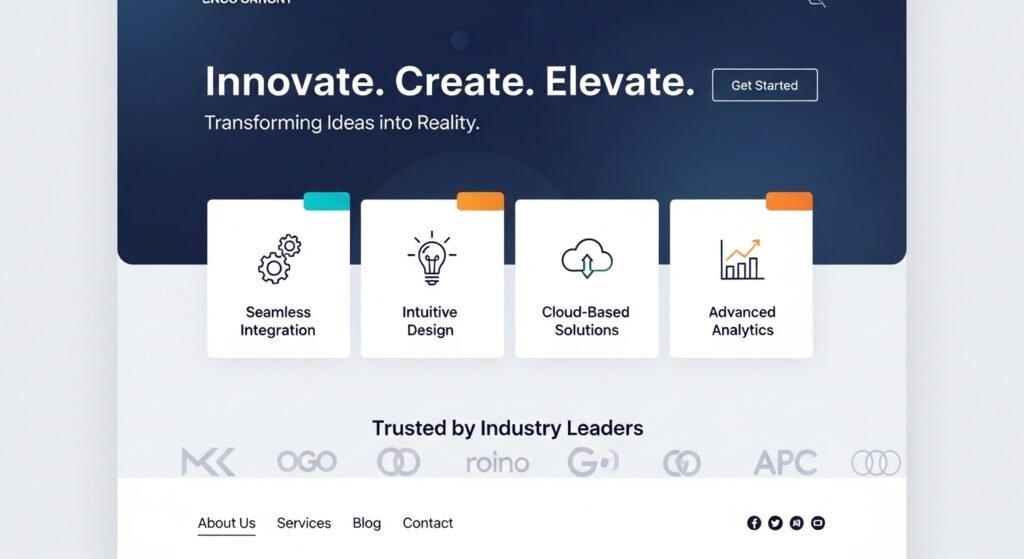
2) Use Professional, Simple Design
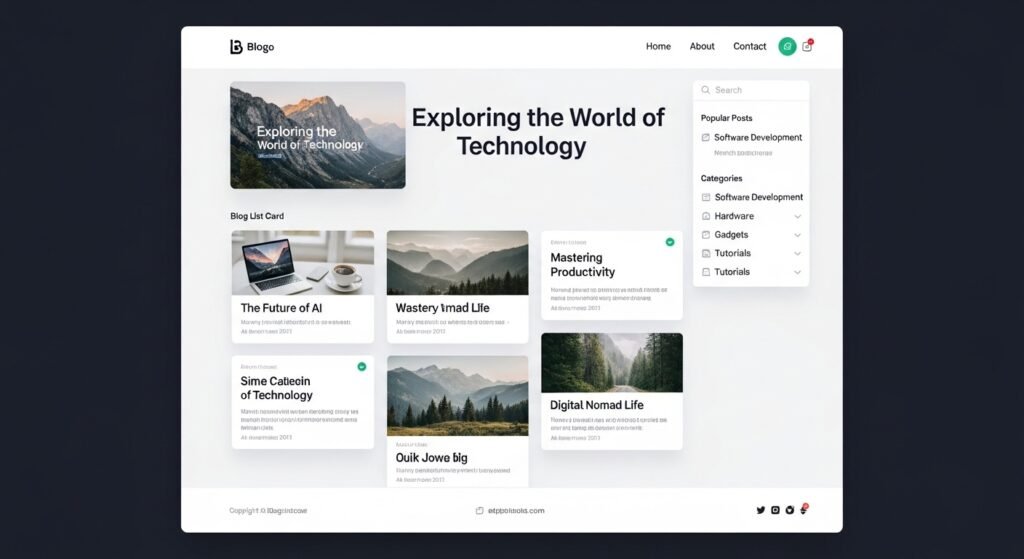
Trust grows when design feels clean and intentional. You do not need flashy effects.
You need:
- readable fonts
- consistent spacing
- clean navigation
- balanced layout
- mobile-friendly structure
Messy layouts signal inexperience, even if your service is strong.
3) Show a Clear Process
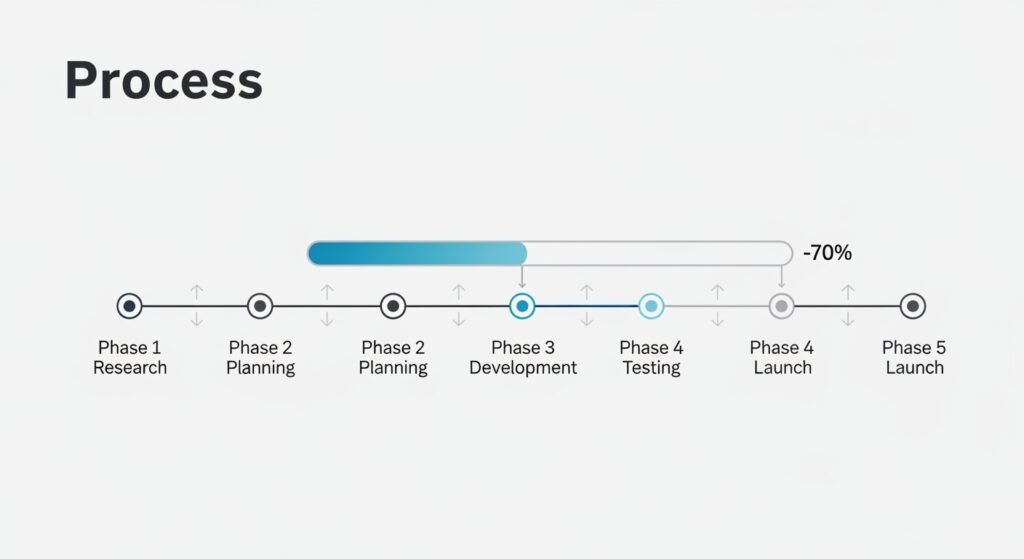
People trust businesses that explain what happens next.
Add a short “How It Works” section:
- Request consultation
- We review your needs
- We propose clear next step
When the process is visible, people feel safer moving forward.

4) 4) Use Honest, Specific Language
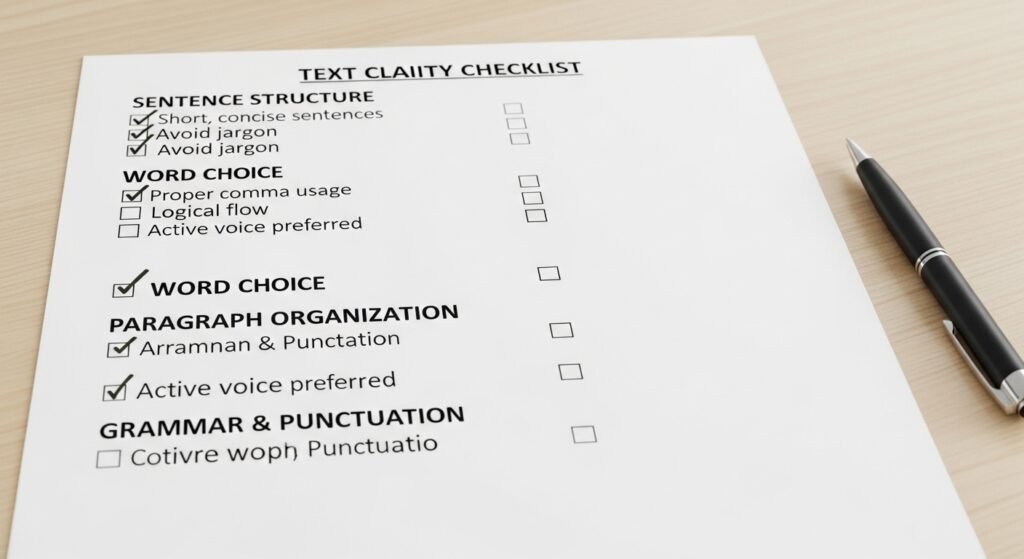
Trust grows with clarity, not big promises.
Avoid:
- “We guarantee results”
- “Best in the world”
- “Instant growth”
- clear service descriptions
- realistic expectations
- direct wording
- no pressure phrases
Honest wording signals integrity. See our trust-based approach to website development: [Website Services → /services]
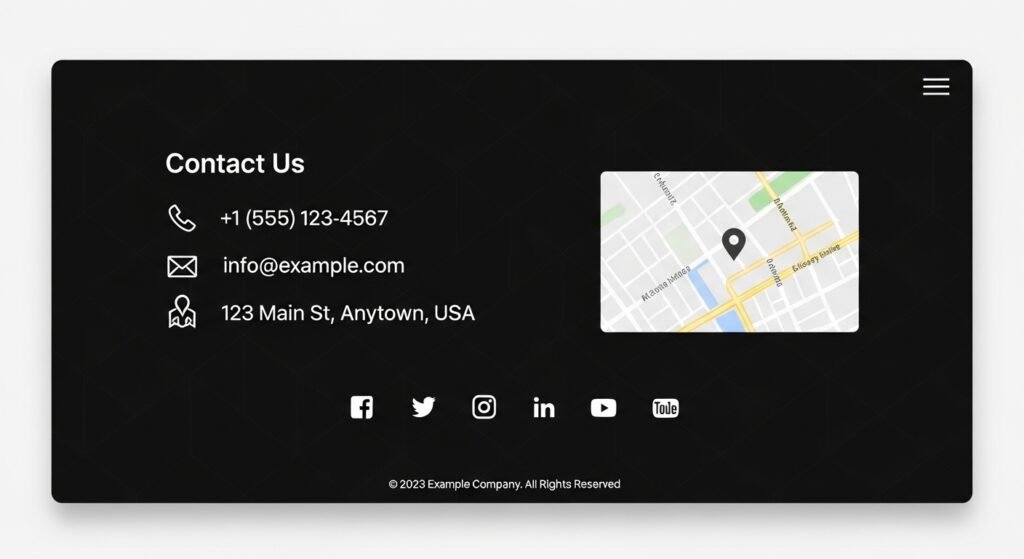
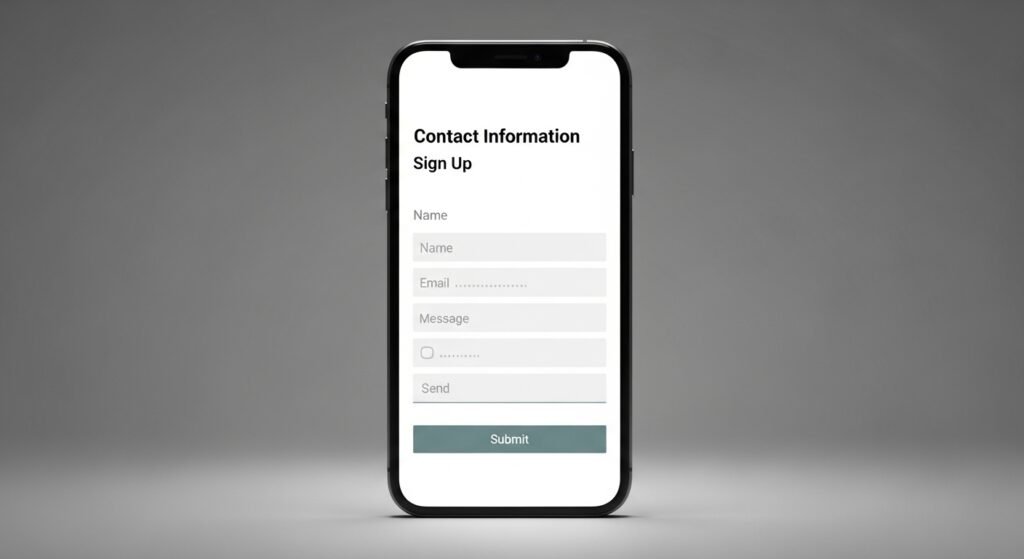
5) Make Contact Easy and Visible
If visitors cannot quickly find how to contact you, trust drops.
Keep contact paths obvious:
- clear CTA buttons
- visible contact page
- short consultation form
- response expectations
People trust businesses that are easy to reach.
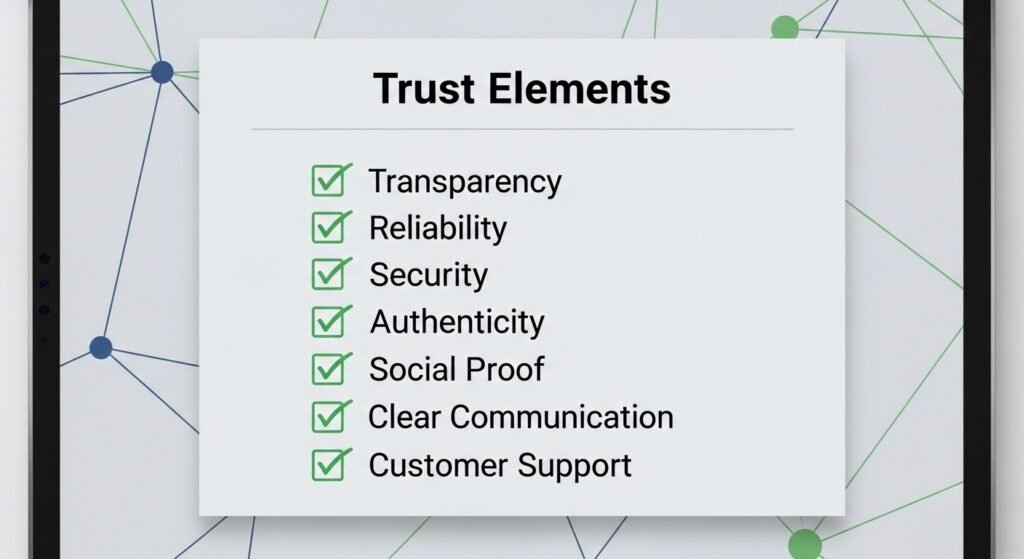
6) Add Trust Cues Without Hype
Trust cues should feel natural, not forced.
Useful trust cues:
- clear business description
- consistent branding
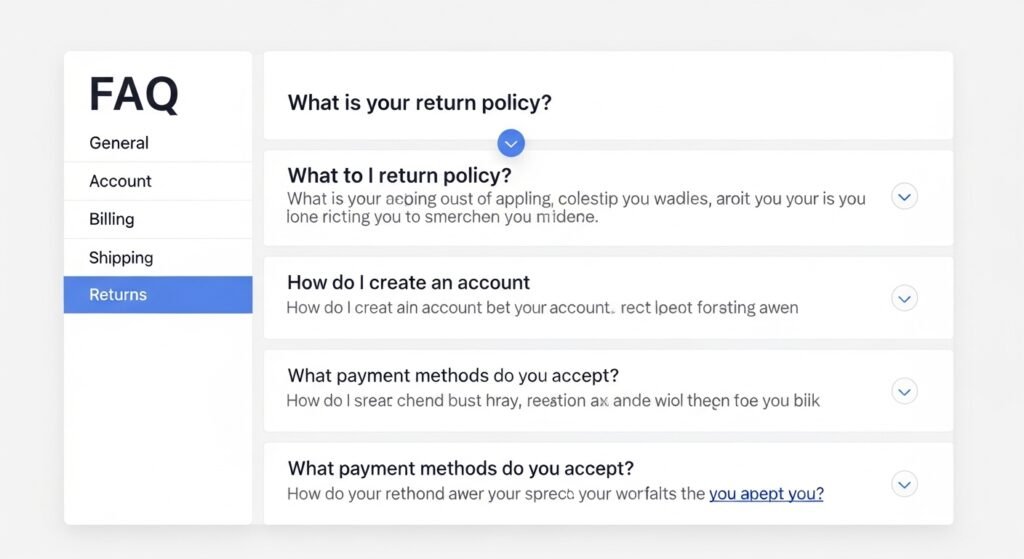
- practical FAQ
- transparent next steps
- real testimonials (only if authentic)
Do not overfill pages with badges or claims. Simple, truthful cues work better. Evaluate your current trust signals ethically: [Halal Index® → /halal-index]
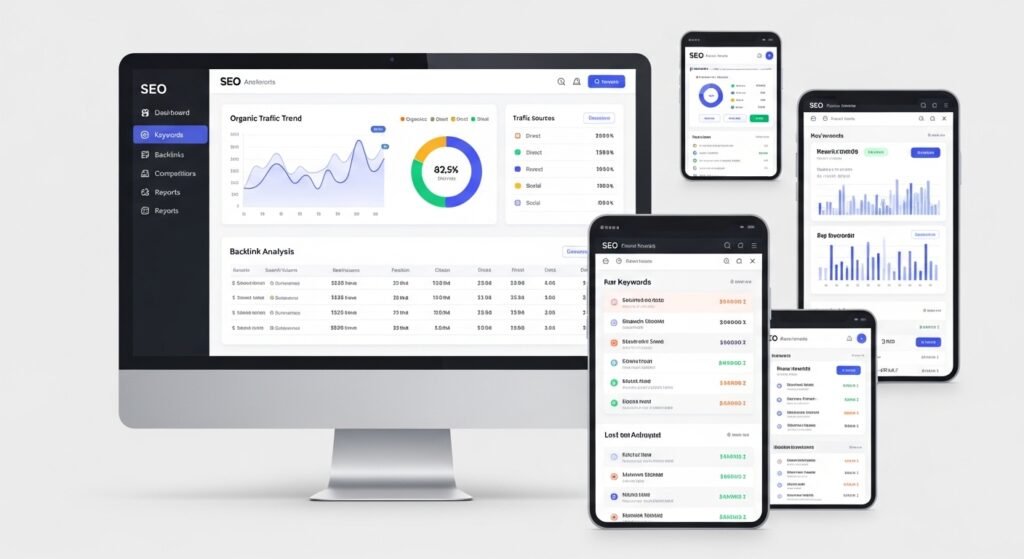
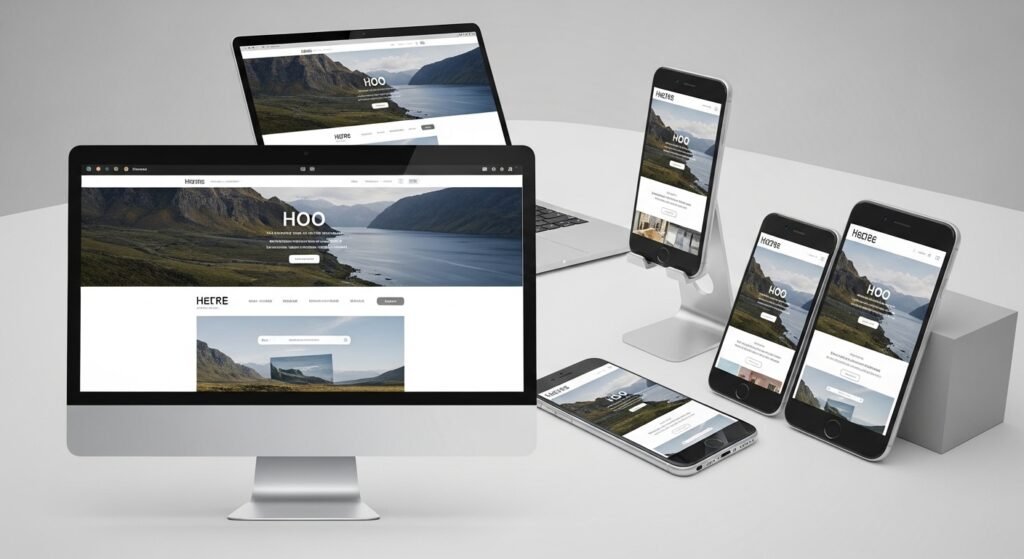
7) Make Sure Mobile Experience Is Smooth
Most visitors check websites on their phone first.
If mobile feels broken:
- trust drops
- users leave
- inquiries disappear
Mobile trust basics:
- readable text
- fast loading
- clear tap targets
- short forms
8) Keep Your Website Updated
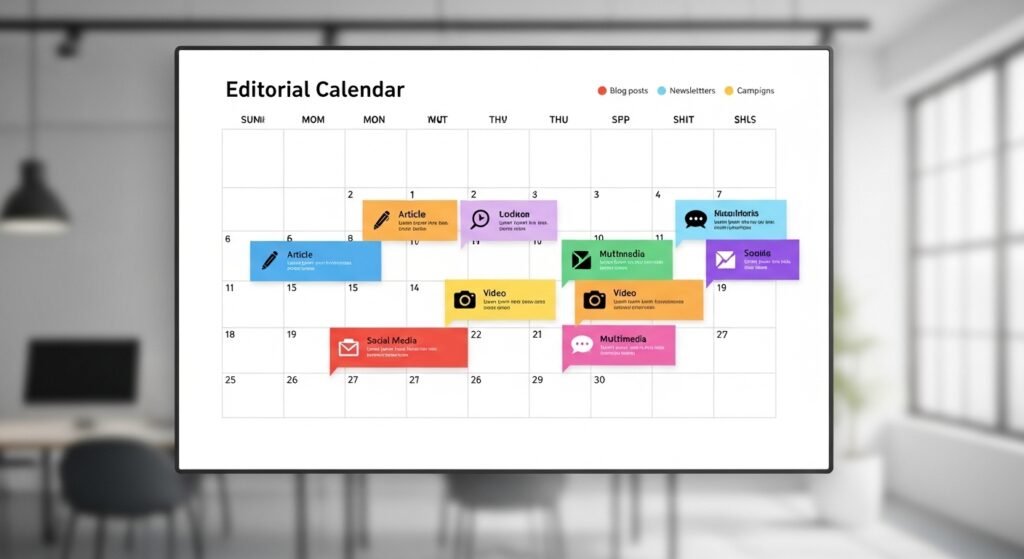
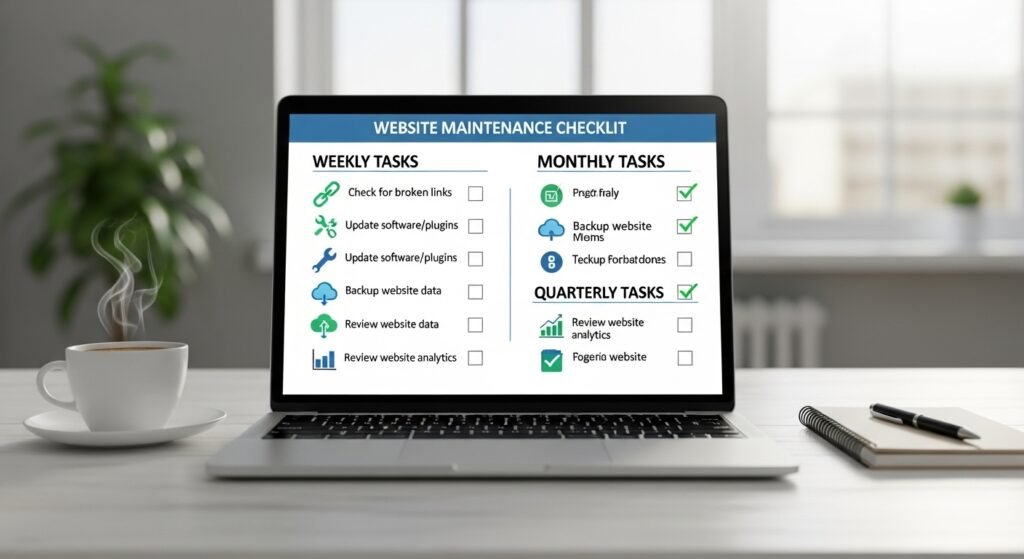
An outdated website weakens trust quickly. Signs that hurt trust:
- old announcements
- broken links
- outdated services
- inactive blog
A website that stays active signals reliability.
30-Second Trust Checklist
Before publishing, check:
- Clear first message
- Simple professional layout
- Visible process
- Honest language
- Easy contact path
- Mobile-friendly experience
- Updated content
If these are in place, trust improves quickly.
Final Thought
You do not build trust online with pressure or clever tricks.
You build trust in the first 30 seconds with:
- clarity
- consistency
- professionalism
- honesty
When visitors feel safe, they stay. When they stay, they inquire.
If you want your website to build trust quickly and ethically, we can help you structure it the right way.