
Most small business websites do not fail because of bad intentions. They fail because they are built without clear strategy.
A website can look “nice” and still fail to:
- build trust
- guide visitors
- generate real inquiries
The good news: these problems are fixable.
1) They Are Unclear in the First 10 Seconds
If visitors can’t quickly understand what you do, they leave.
Common problems:
- vague headlines
- too much text
- no clear audience
- no obvious next step
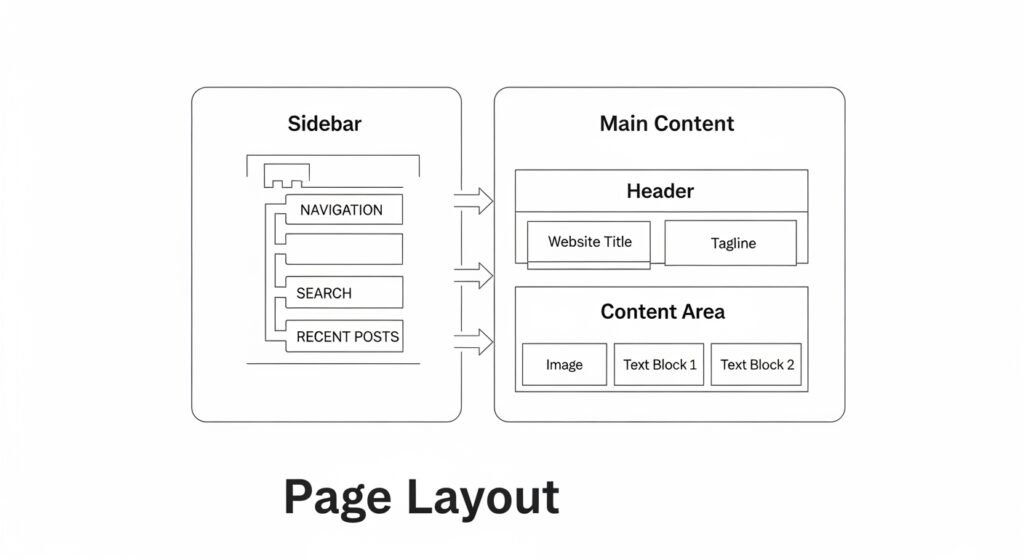
A homepage should answer immediately:
- What is this business?
- Who is it for?
- What should I do next?


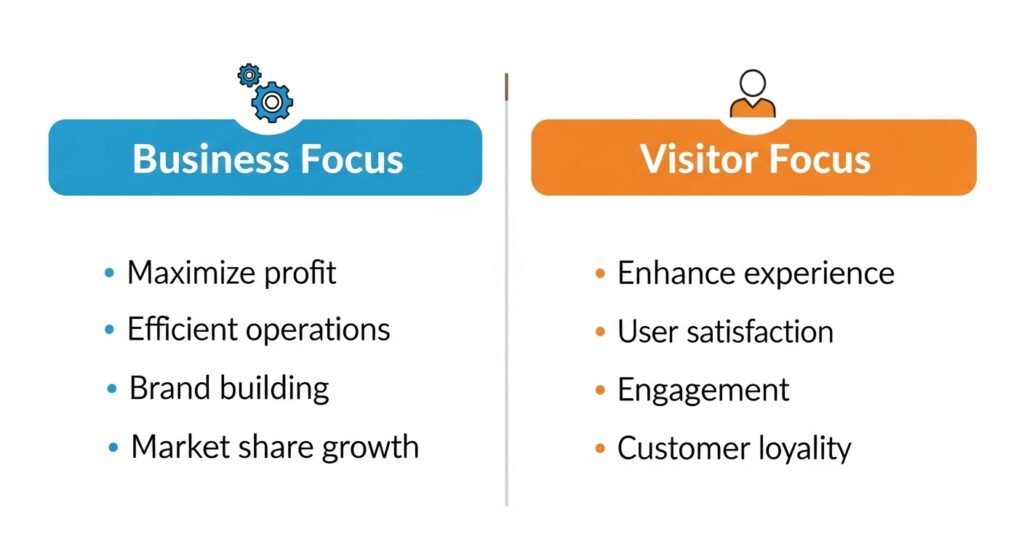
2) They Talk Too Much About Themselves
Many websites focus on:
- “our mission”
- “our story”
- “our passion”
Those matter — but visitors first need to know:
- how you help them
- what problem you solve
- why they should trust you
Good websites are not ego pages. They are guidance pages.
3) There Is No Clear Path to Action
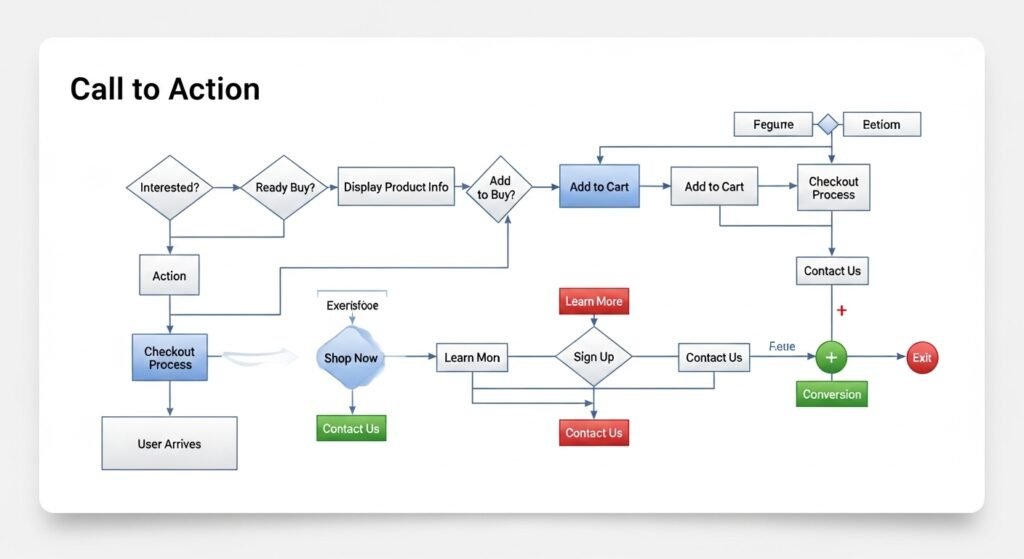
Some sites have too many buttons. Others have none. If the visitor does not know what to do next, conversion drops.
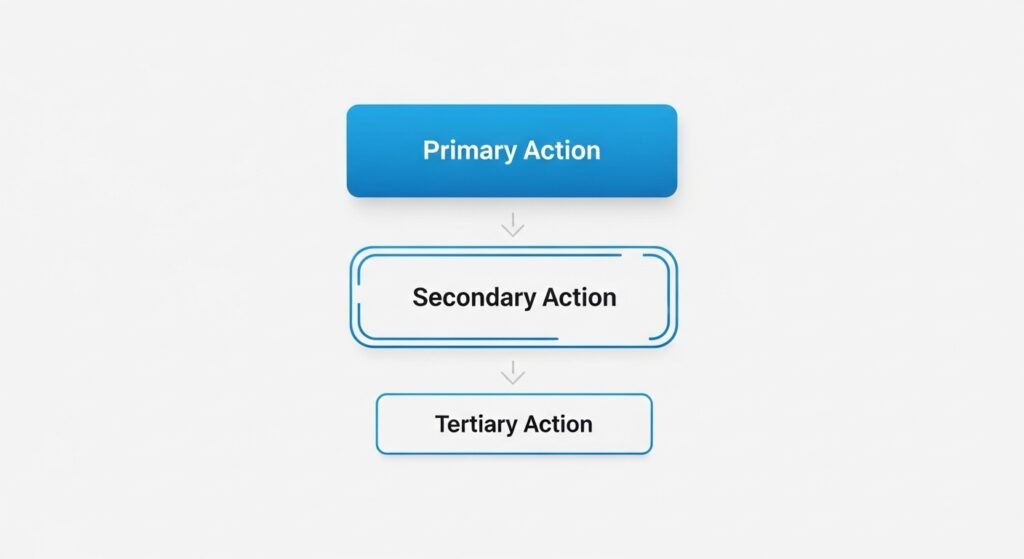
A strong site has one clear path:
- Request consultation
- Contact us
- View services
Not six different directions. Need a clear conversion structure? [Website Services → /services]
4) Trust Signals Are Missing
Visitors are cautious, especially with newer businesses. Without trust signals, people hesitate.
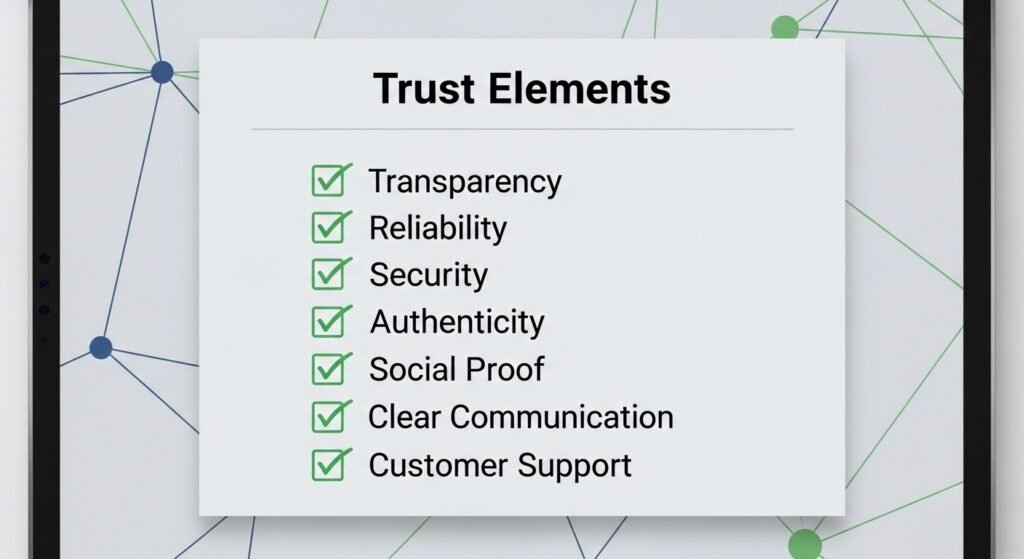
Important trust elements:
- clear service descriptions
- honest process
- realistic language
- transparent contact options
- clean professional presentation
Trust is not built by big claims. Trust is built by clarity and consistency.
5) They Are Built for Desktop, Not Mobile
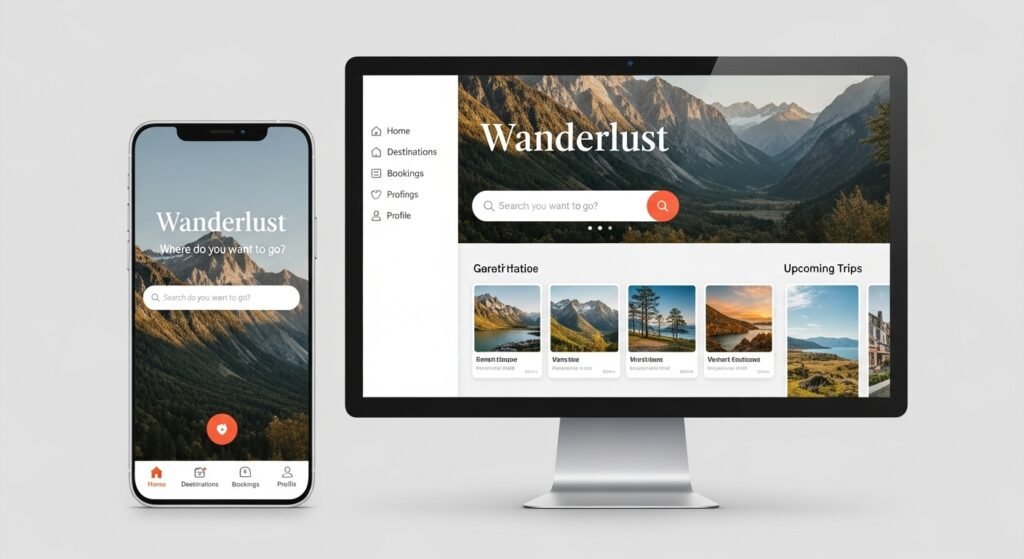
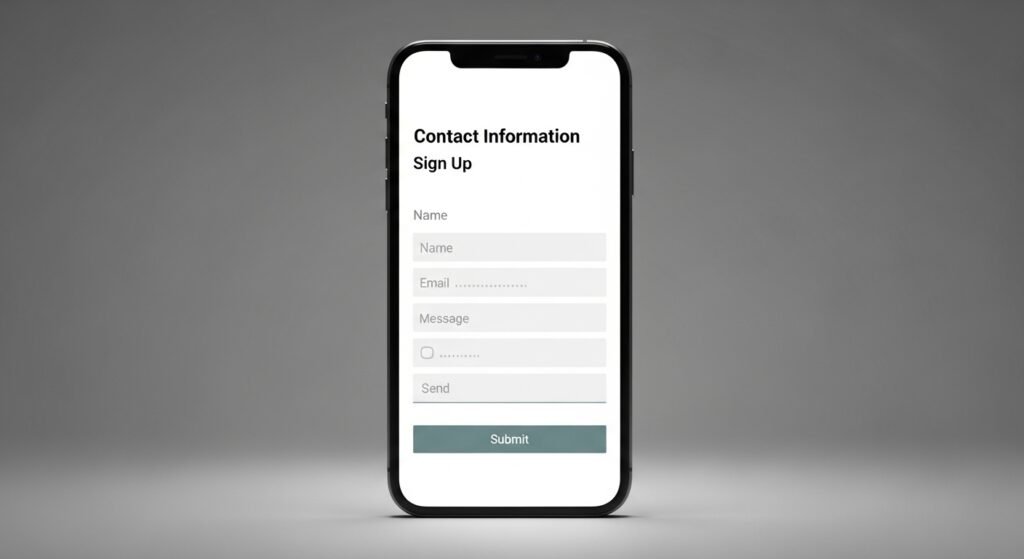
Most visitors browse on phones. If your mobile experience is poor:
- text looks crowded
- buttons are hard to tap
- forms are frustrating
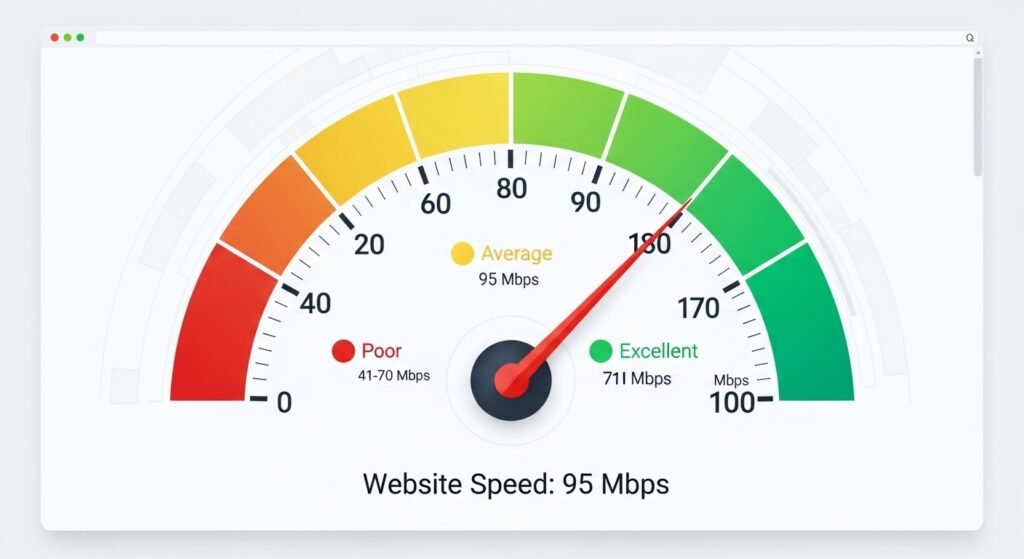
6) They Load Too Slowly
Speed affects both user experience and search visibility. Slow sites lose attention fast.
Common causes:
- oversized images
- too many plugins/scripts
- poor hosting setup
- no optimization
A clean, lightweight site often performs better than a fancy one.

7) They Have No Content Strategy
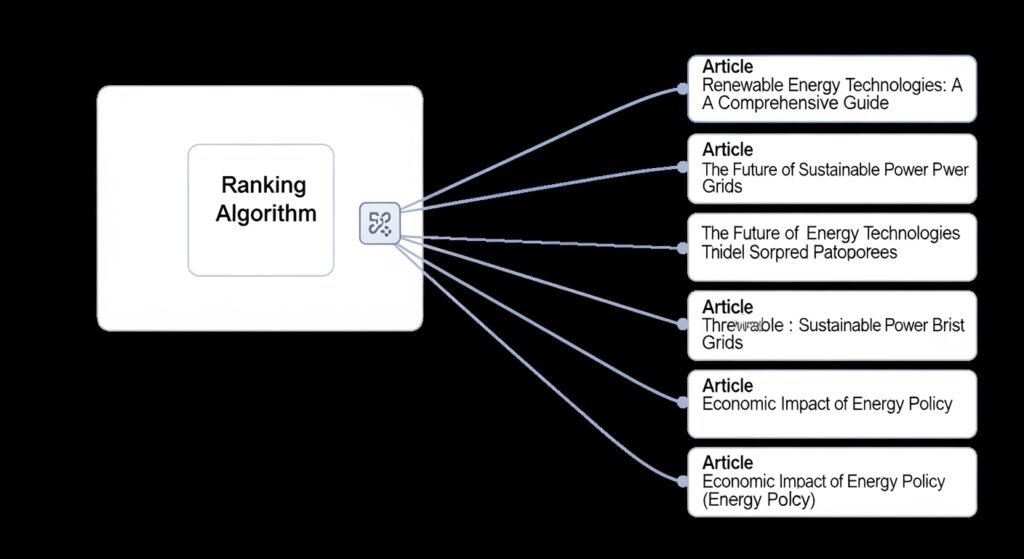
A website without helpful content becomes invisible over time.
If you never publish useful articles:
- SEO stagnates
- authority stays low
- discovery becomes harder
An active blog helps answer real questions and build long-term visibility. Not noise. Not filler. Useful content only.

8) They Depend Only on Paid Ads
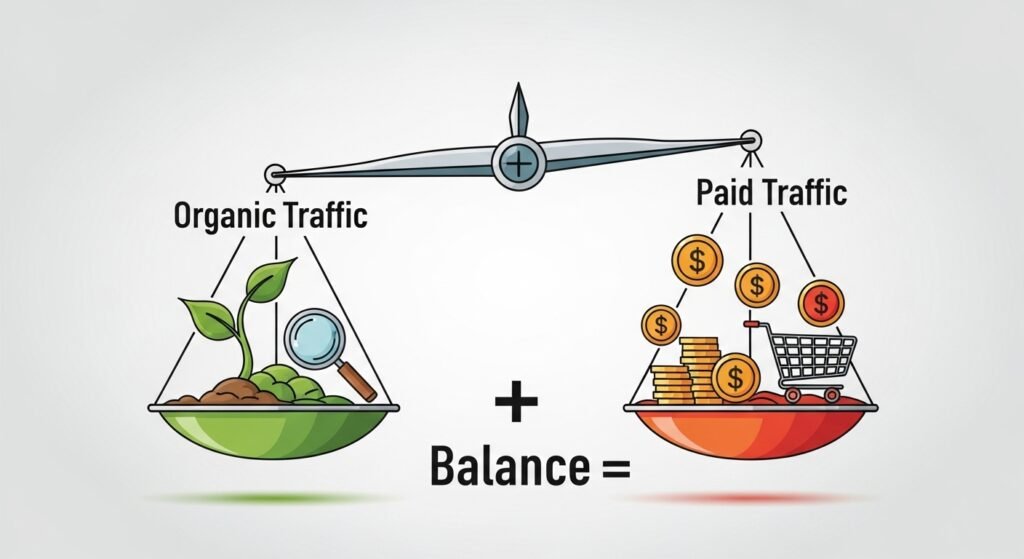
If traffic disappears the moment ads stop, the foundation is weak.
A healthy system includes:
- strong website structure
- clear service pages
- organic content
- trust-driven messaging
- optional paid campaigns on top
Ads should amplify a foundation, not replace one. Check if your marketing foundation is ethically sound: [Halal Index® → /halal-index]
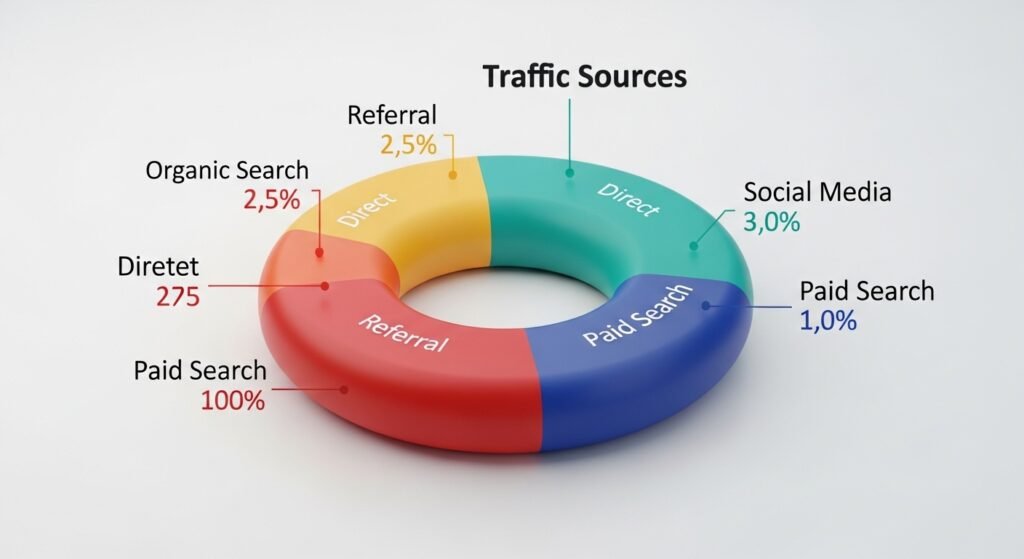
How to Fix a Failing Website.
Start with these priorities:
- Clarify your homepage message
- Simplify navigation and page flow
- Use one clear CTA path 4. Add trust-building elements
- Improve mobile and speed
- Publish helpful, relevant content regularly
Small improvements in structure often produce major improvements in results.
Final Thought
Most small business websites fail for one reason: they are built to exist, not to perform.
A website should function as a business asset:
- clear
- trustworthy
- useful
- easy to act on
When that happens, conversion improves naturally — without pressure tactics.
If you want to fix a website that is unclear, underperforming, or not generating quality inquiries, we can help.