
Many businesses have a website. Far fewer have a business asset. A website is just pages on the internet. A business asset is something that keeps creating value over time.
The difference is not design style. The difference is function, structure, and strategy.
1) A Website Exists. A Business Asset Performs.
A basic website can simply “be there.” A business asset has a job:
- build trust
- answer questions
- guide decisions
- generate qualified inquiries
- support long-term growth
If your website looks good but does none of these, it is not yet an asset.

2) A Website Talks About You. An Asset Helps the Visitor.
Many websites are written like brochures:
- “We are great”
- “We are the best”
- “We do everything”
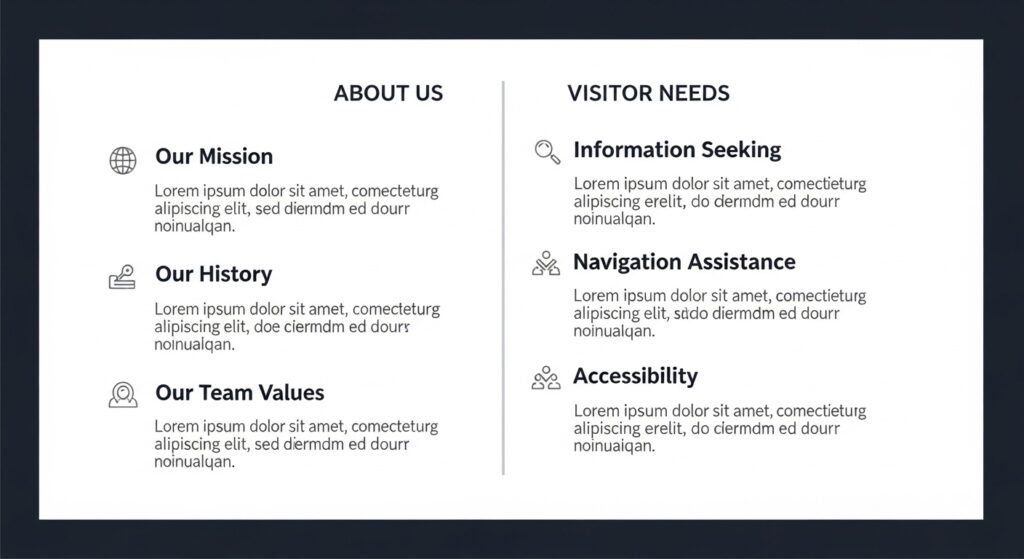
A business asset is visitor-centered:
- What problem do you solve?
- Who do you serve?
- What should I do next?
- Why should I trust you?
Clear guidance helps people decide without pressure.
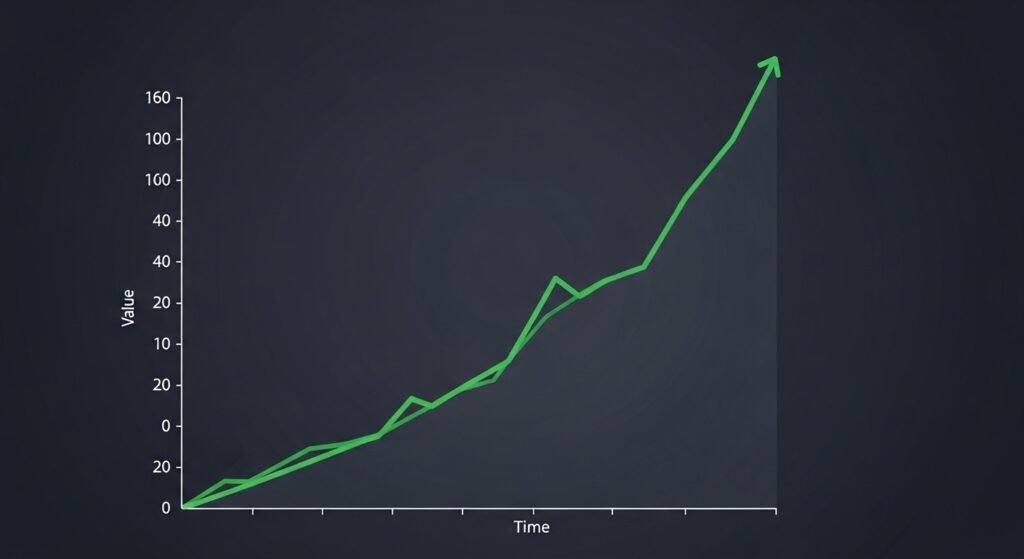
3) A Website Can Be Static. An Asset Compounds.
A static site is rarely updated and easy to forget. A business asset improves over time.
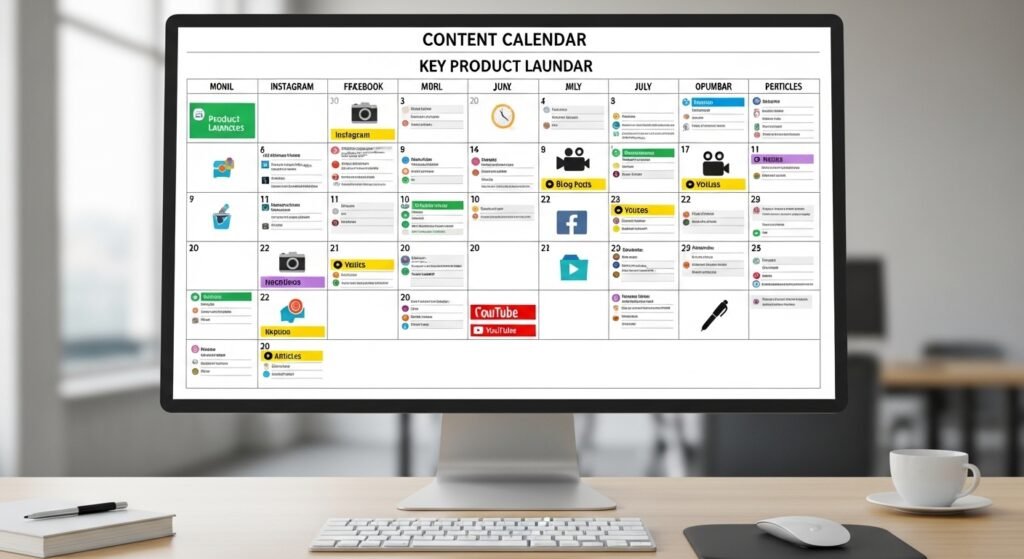
It compounds through:
- better messaging
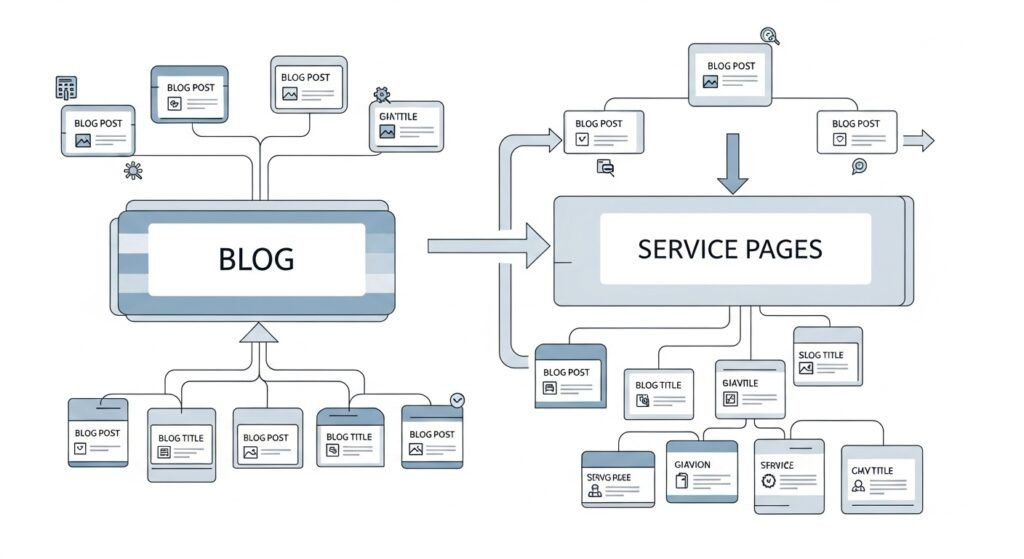
- ongoing blog content
- improved SEO structure
- clearer CTAs
- cleaner user flow
This is where long-term value is created.
4) A Website Can Be Confusing. An Asset Is Structured.
Confusion kills trust.
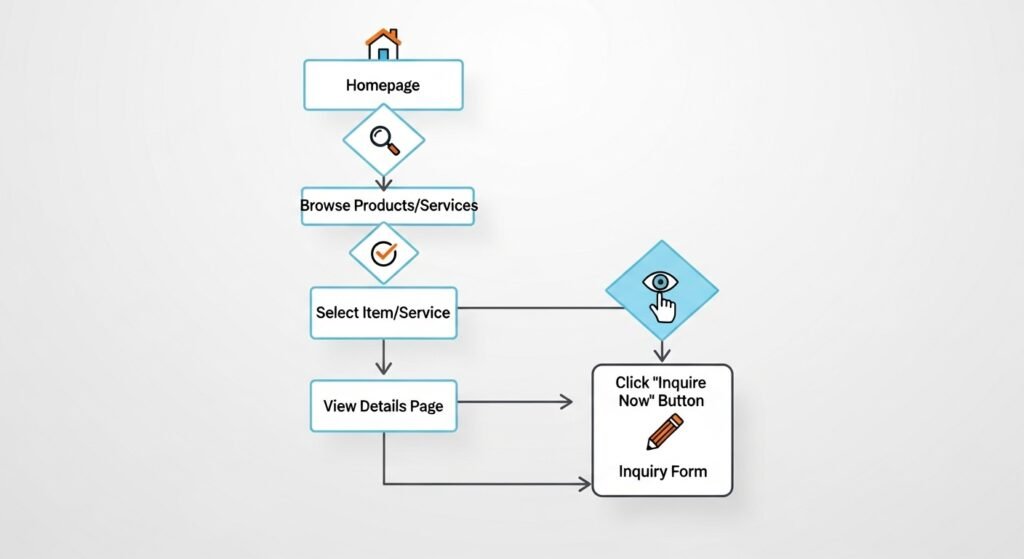
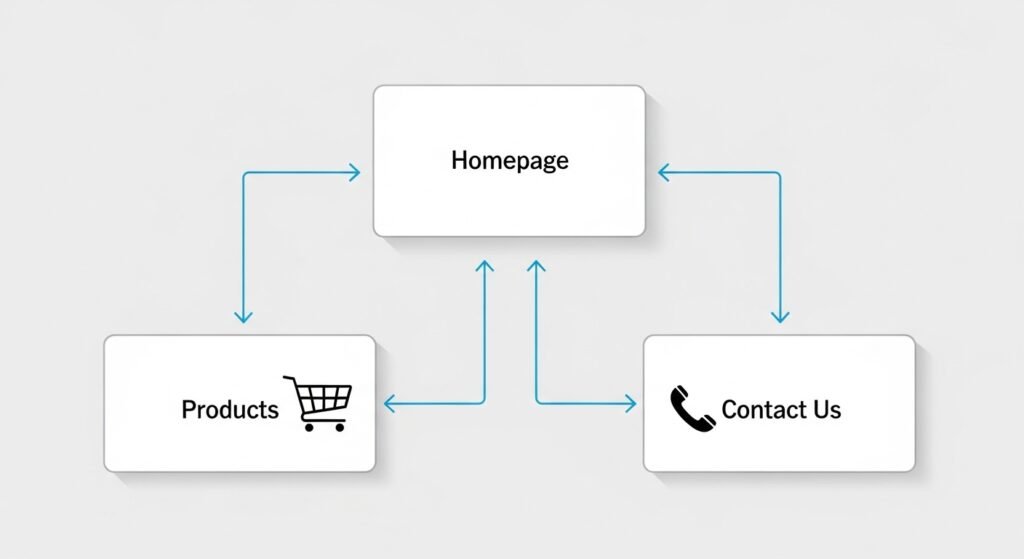
A business asset is built around a clear structure:
- Home: clear promise and direction
- About/Services: fit + process + value
- Contact/Consultation: simple next step
Visitors should know where they are and what to do at every step.
See how we build structured, trust-based websites: [Website Services → /services]
5) A Website Can Depend on Ads. An Asset Supports Organic Growth.
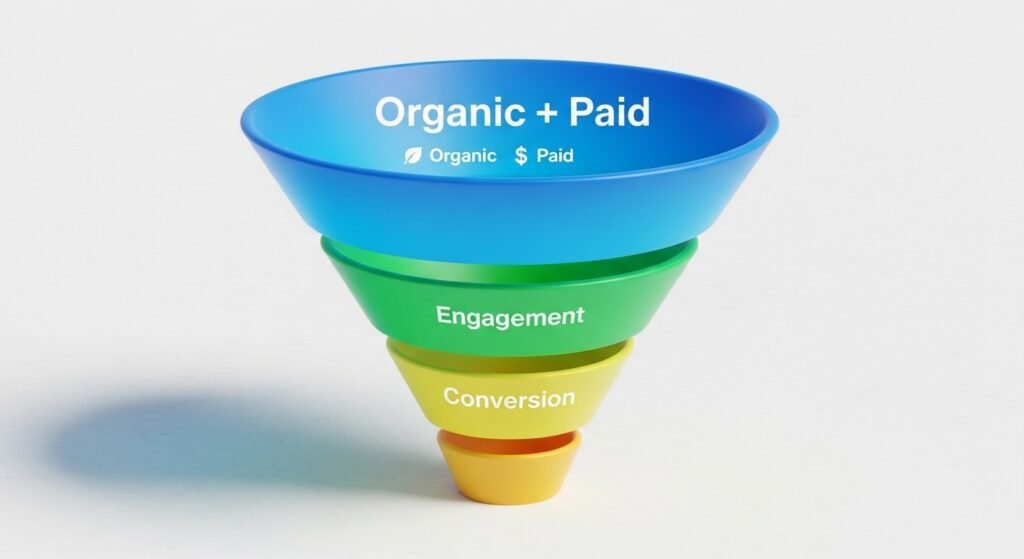
If your business only gets leads when ads are running, your foundation may be weak. A real asset helps people find and trust you through:
- search visibility
- educational content
- strong service pages
- clear positioning
Paid traffic can help — but it should not carry everything alone.
Evaluate whether your marketing foundation is aligned: [Halal Index® → /halal-index]
6) A Website Can Look Professional. An Asset Builds Decision Confidence.
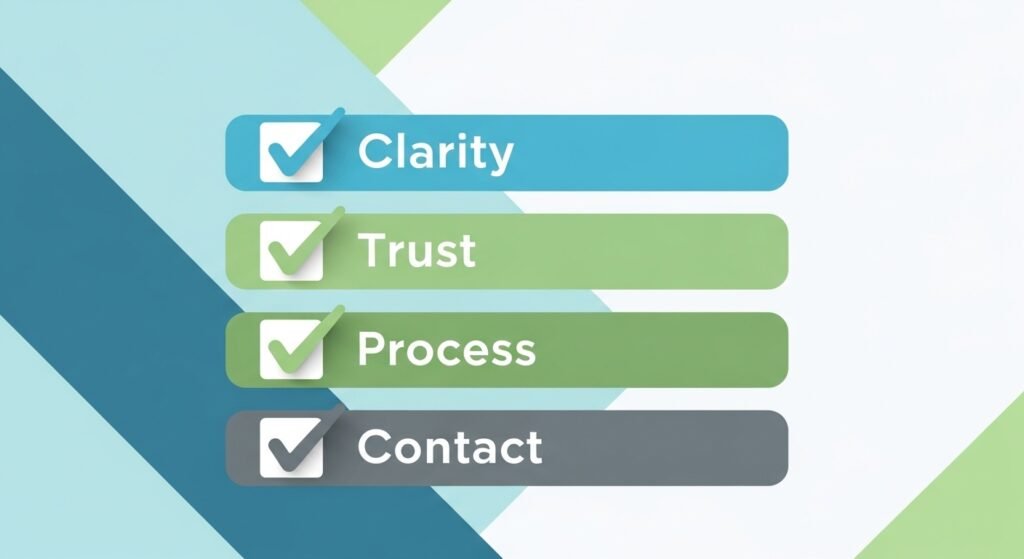
Appearance matters — but confidence comes from substance. A business asset includes:
- clear process
- realistic expectations
- honest service descriptions
- strong trust cues
- simple contact pat
People move forward when they feel safe and informed.
7) A Website Is a Cost. An Asset Is an Investment.
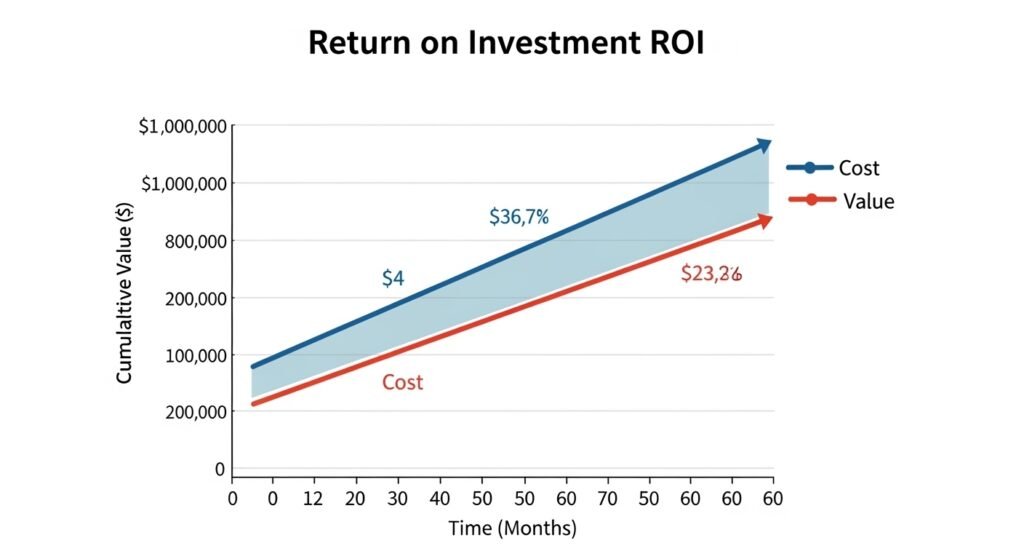
A website becomes an expense when it sits idle. It becomes an investment when it actively supports growth. A business asset saves time by:
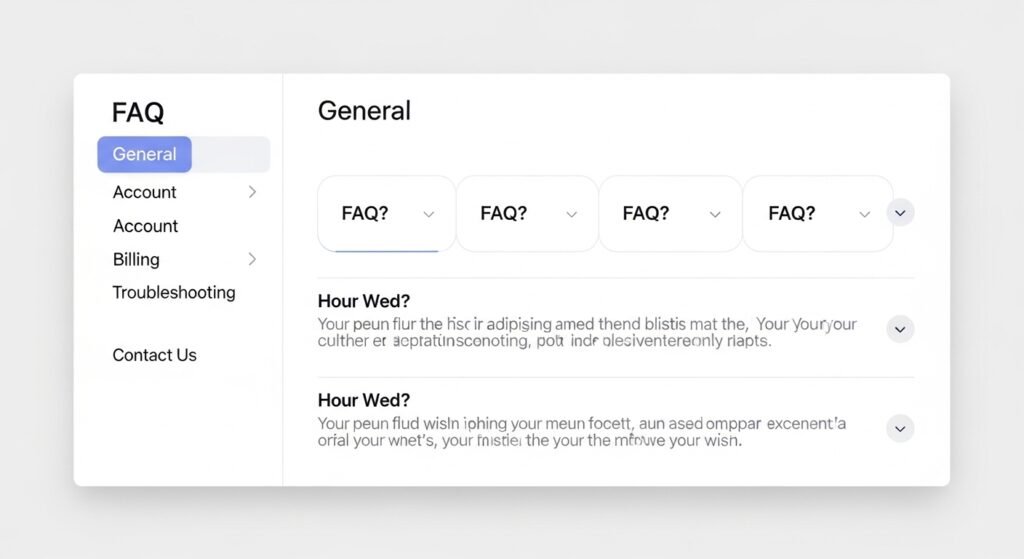
- answering common questions
- filtering poor-fit inquiries
- reducing repetitive explanations
- improving lead quality
Final Thought
Not every website is a business asset. But every website can become one — with the right structure and intent. If your site is unclear, inactive, or passive, it may be present online but not truly working for you.
A true business asset is:
- clear
- useful
- trustworthy
- measurable
- built for long-term value
If you want a website that does more than “exist,” we can help you build one that functions as a real business asset.