halalmarketingsolutions.com

Uncategorized

How to Build Trust on Your Website in 30 Seconds

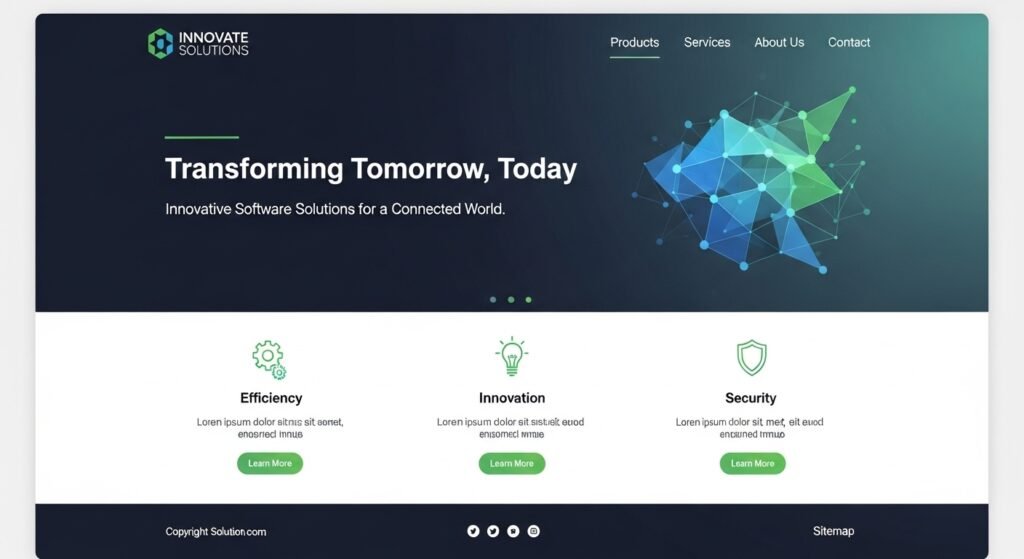
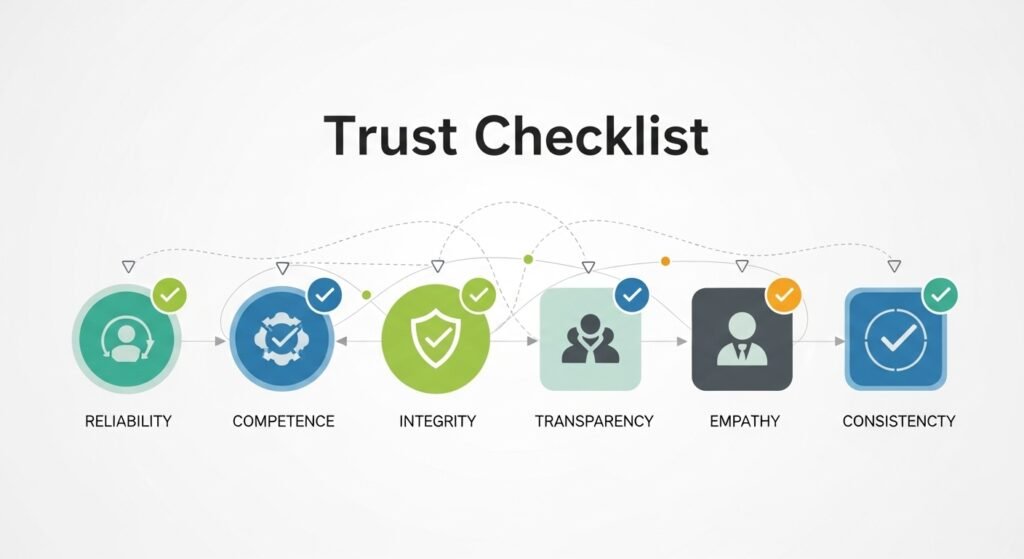
Most visitors decide quickly if they trust a website. Not in 30 minutes. Not after reading every page. Usually in the first few seconds. If trust is weak at the beginning, people leave — even if your service is excellent. The good news: trust can be built quickly with the right structure. 1) Start With a Clear First Message Your first screen should instantly answer: If the opening message is vague, trust drops immediately. A clear message feels honest. Confusion feels risky. 2) Use Professional, Simple Design Trust grows when design feels clean and intentional. You do not need flashy effects. You need: Messy layouts signal inexperience, even if your service is strong. 3) Show a Clear Process People trust businesses that explain what happens next. Add a short “How It Works” section: When the process is visible, people feel safer moving forward. 4) 4) Use Honest, Specific Language Trust grows with clarity, not big promises. Avoid: Use: Honest wording signals integrity. See our trust-based approach to website development: [Website Services → /services] 5) Make Contact Easy and Visible If visitors cannot quickly find how to contact you, trust drops. Keep contact paths obvious: People trust businesses that are easy to reach. 6) Add Trust Cues Without Hype Trust cues should feel natural, not forced. Useful trust cues: Do not overfill pages with badges or claims. Simple, truthful cues work better. Evaluate your current trust signals ethically: [Halal Index® → /halal-index] 7) Make Sure Mobile Experience Is Smooth Most visitors check websites on their phone first. If mobile feels broken: Mobile trust basics: 8) Keep Your Website Updated An outdated website weakens trust quickly. Signs that hurt trust: A website that stays active signals reliability. 30-Second Trust Checklist Before publishing, check: If these are in place, trust improves quickly. Final Thought You do not build trust online with pressure or clever tricks. You build trust in the first 30 seconds with: When visitors feel safe, they stay. When they stay, they inquire. If you want your website to build trust quickly and ethically, we can help you structure it the right way.

How to Build Trust on Your Website in 30 Seconds Read More »
Why Most Small Business Websites Don’t Convert

Many small business websites get visitors — but few inquiries. That usually means one thing: the site is visible, but not persuasive in a clear and trustworthy way. Low conversion is rarely about “bad luck.” It is usually a structure problem. 1) The Message Is Not Clear Fast Enough Most visitors decide quickly whether to stay or leave. If they cannot understand your business within a few seconds, they exit. Your first screen should clearly answer: Without this clarity, traffic does not matter. 2) The Website Looks Fine but Feels Untrustworthy Design alone does not create trust. Visitors look for signs of reliability: If trust signals are missing, people hesitate. 3) There Is No Clear CTA Path Many sites either: Both reduce conversion. A better approach: Example CTA language: Need help building a clear CTA structure? [Website Services → /services] 4) The Content Is About the Business, Not the Visitor A common mistake is writing pages that only talk about: Visitors need practical answers: Conversion improves when content is visitor-centered. 5) Mobile Experience Is Weak Most people visit from phones. If mobile is hard to use: Visitors leave before converting. A converting website must be: 6) The Site Is Slow or Technically Messy Even interested visitors lose patience with slow pages. Common speed/conversion killers: Technical clarity supports business clarity. 7) The Site Is Not Supported by Helpful Content A service page alone is often not enough. Helpful articles build confidence and answer objections early. Without ongoing useful content: A blog can improve conversion by preparing people before they contact you. 👉 Want your marketing practices reviewed and aligned? [Halal Index® → /halal-index] 8) Conversion Problems Are Treated Like Traffic Problems Many businesses try to fix low conversion by buying more traffic. But if the page is unclear, more traffic only increases bounce. Fix order should be: Ads should amplify a foundation, not replace one. Check if your marketing foundation is ethically sound: [Halal Index® → /halal-index] Quick Conversion Improvement Checklist Start here: Small structural fixes often create the biggest conversion improvements. Final Thought Most small business websites don’t convert because they are built to “look complete,” not to guide decisions. A converting site is: No pressure tactics required. If your website gets traffic but not inquiries, we can help you identify and fix conversion gaps in a clear, ethical way.

Why Most Small Business Websites Don’t Convert Read More »

Why Most Small Business Websites Fail

Most small business websites do not fail because of bad intentions. They fail because they are built without clear strategy. A website can look “nice” and still fail to: The good news: these problems are fixable. 1) They Are Unclear in the First 10 Seconds If visitors can’t quickly understand what you do, they leave. Common problems: A homepage should answer immediately: 2) They Talk Too Much About Themselves Many websites focus on: Those matter — but visitors first need to know: Good websites are not ego pages. They are guidance pages. 3) There Is No Clear Path to Action Some sites have too many buttons. Others have none. If the visitor does not know what to do next, conversion drops. A strong site has one clear path: Not six different directions. Need a clear conversion structure? [Website Services → /services] 4) Trust Signals Are Missing Visitors are cautious, especially with newer businesses. Without trust signals, people hesitate. Important trust elements: Trust is not built by big claims. Trust is built by clarity and consistency. 5) They Are Built for Desktop, Not Mobile Most visitors browse on phones. If your mobile experience is poor: 6) They Load Too Slowly Speed affects both user experience and search visibility. Slow sites lose attention fast. Common causes: A clean, lightweight site often performs better than a fancy one. 7) They Have No Content Strategy A website without helpful content becomes invisible over time. If you never publish useful articles: An active blog helps answer real questions and build long-term visibility. Not noise. Not filler. Useful content only. 8) They Depend Only on Paid Ads If traffic disappears the moment ads stop, the foundation is weak. A healthy system includes: Ads should amplify a foundation, not replace one. Check if your marketing foundation is ethically sound: [Halal Index® → /halal-index] How to Fix a Failing Website. Start with these priorities: Small improvements in structure often produce major improvements in results. Final Thought Most small business websites fail for one reason: they are built to exist, not to perform. A website should function as a business asset: When that happens, conversion improves naturally — without pressure tactics. If you want to fix a website that is unclear, underperforming, or not generating quality inquiries, we can help.

Why Most Small Business Websites Fail Read More »

The Difference Between a Website and a Business Asset

Many businesses have a website. Far fewer have a business asset. A website is just pages on the internet. A business asset is something that keeps creating value over time. The difference is not design style. The difference is function, structure, and strategy. 1) A Website Exists. A Business Asset Performs. A basic website can simply “be there.” A business asset has a job: If your website looks good but does none of these, it is not yet an asset. 2) A Website Talks About You. An Asset Helps the Visitor. Many websites are written like brochures: A business asset is visitor-centered: Clear guidance helps people decide without pressure. 3) A Website Can Be Static. An Asset Compounds. A static site is rarely updated and easy to forget. A business asset improves over time. It compounds through: This is where long-term value is created. 4) A Website Can Be Confusing. An Asset Is Structured. Confusion kills trust. A business asset is built around a clear structure: Visitors should know where they are and what to do at every step. See how we build structured, trust-based websites: [Website Services → /services] 5) A Website Can Depend on Ads. An Asset Supports Organic Growth. If your business only gets leads when ads are running, your foundation may be weak. A real asset helps people find and trust you through: Paid traffic can help — but it should not carry everything alone. Evaluate whether your marketing foundation is aligned: [Halal Index® → /halal-index] 6) A Website Can Look Professional. An Asset Builds Decision Confidence. Appearance matters — but confidence comes from substance. A business asset includes: People move forward when they feel safe and informed. 7) A Website Is a Cost. An Asset Is an Investment. A website becomes an expense when it sits idle. It becomes an investment when it actively supports growth. A business asset saves time by: Final Thought Not every website is a business asset. But every website can become one — with the right structure and intent. If your site is unclear, inactive, or passive, it may be present online but not truly working for you. A true business asset is: If you want a website that does more than “exist,” we can help you build one that functions as a real business asset.

The Difference Between a Website and a Business Asset Read More »

What Makes a Website Convert Visitors Into Clients

Many business owners think website conversion is about flashy design, tricks, or pressure. It’s not. A website converts when visitors quickly understand: Good conversion is not manipulation. It is clarity + trust + direction. 1) Clear Message in the First Few Seconds If a visitor lands on your homepage and feels confused, they leave. Your homepage should answer these questions immediately: If the first screen is unclear, design quality will not save it. 2) Simple Structure and Easy Navigation Visitors should not work hard to understand your site. A high-converting structure is simple: Navigation should be obvious. Buttons should be readable. Important pages should be reachable in one click. Complexity kills momentum. 3) Trust Signals Without Hype People decide with caution, especially when money is involved. Trust grows when your site includes: Trust does not grow from: 4) Calls to Action That Feel Natural A call to action should guide, not pressure. Better CTA examples: Avoid: Visitors should feel respected, not pushed. See how we build clear, trustworthy websites: [Website Services → /services] 5) Content That Answers Real Questions Conversion improves when people feel understood. Your pages should answer what they are already asking: This is why helpful blog content matters. It pre-builds confidence before the first call. 👉 Explore ethical evaluation standards: [Halal Index® → /halal-index] 6) Fast, Mobile-Friendly, and Friction-Free Even good copy fails if the experience is frustrating. Conversion drops when: A converting site should be: 7) One Clear Next Step Every page should guide visitors toward one clear action. Examples: If every page asks for different actions, visitors hesitate. Consistency creates confidence. Final Thought Websites convert visitors into clients when they are built on: No pressure tactics required. If your site is not converting, the issue is usually not “more marketing.” It’s often clarity and trust gaps in the website itself. If you want your website to convert better without hype or manipulation, we can help you build it the right way.

What Makes a Website Convert Visitors Into Clients Read More »

Do I Really Need a Website?

When starting or growing a small business, one question comes up again and again: “Do I really need a website?” The honest answer is yes — but not for the reasons most marketing companies give. A website isn’t about looking fancy.It’s about clarity, trust, and being findable when people are already looking for you. 1. A Website Is Still the First Place People Look Most people don’t discover a business and immediately buy. They research first. Social media posts disappear.Your website stays. Your website is the digital front door of your business. 2. Social Media Is Not a Replacement for a Website Social platforms are useful — but they are not owned by you. Algorithms change. Accounts get restricted. Posts get buried. A website gives you: Social media should support your website — not replace it. 👉 Learn how we build clear foundations:[Website Services →] 3. A Website Builds Trust Instantly When someone searches your business name, they expect to find a website. Without one, many people assume: A website answers unspoken questions before they’re ever asked. 4. Websites Help You Show Up on Google Search engines rely on websites — not social posts. Your website allows you to: This is how SEO works slowly but steadily — without tricks. 👉 Learn how we evaluate ethical visibility:[Halal Index® →] 5. A Website Organizes Your Message Clearly A good website helps people quickly understand: No pressure. No confusion. Just clarity. That clarity saves time for both you and your customers. 6. Your Website Makes All Other Marketing Work Better Ads, social posts, email campaigns — they all work better when they point somewhere solid. Without a website: With a website: 7. A Website Is a One-Time Foundation, Not a Constant Expense Many businesses think websites are expensive.In reality, a simple, well-built website is often less costly than ongoing ads. A clear, honest website: It’s not about complexity — it’s about usefulness. So… Do You Really Need a Website? Yes — if you want: A website is not optional anymore.It’s the foundation everything else stands on. Ready to Build the Right Way? If you want a website that: We can help. 👉 [Website Services →]

Do I Really Need a Website? Read More »